Manhyia South MP Challenges Judge On Baba Amando’s Remand
n
MANHYIA SOUTH MP EXPLAINS HIS ANGER
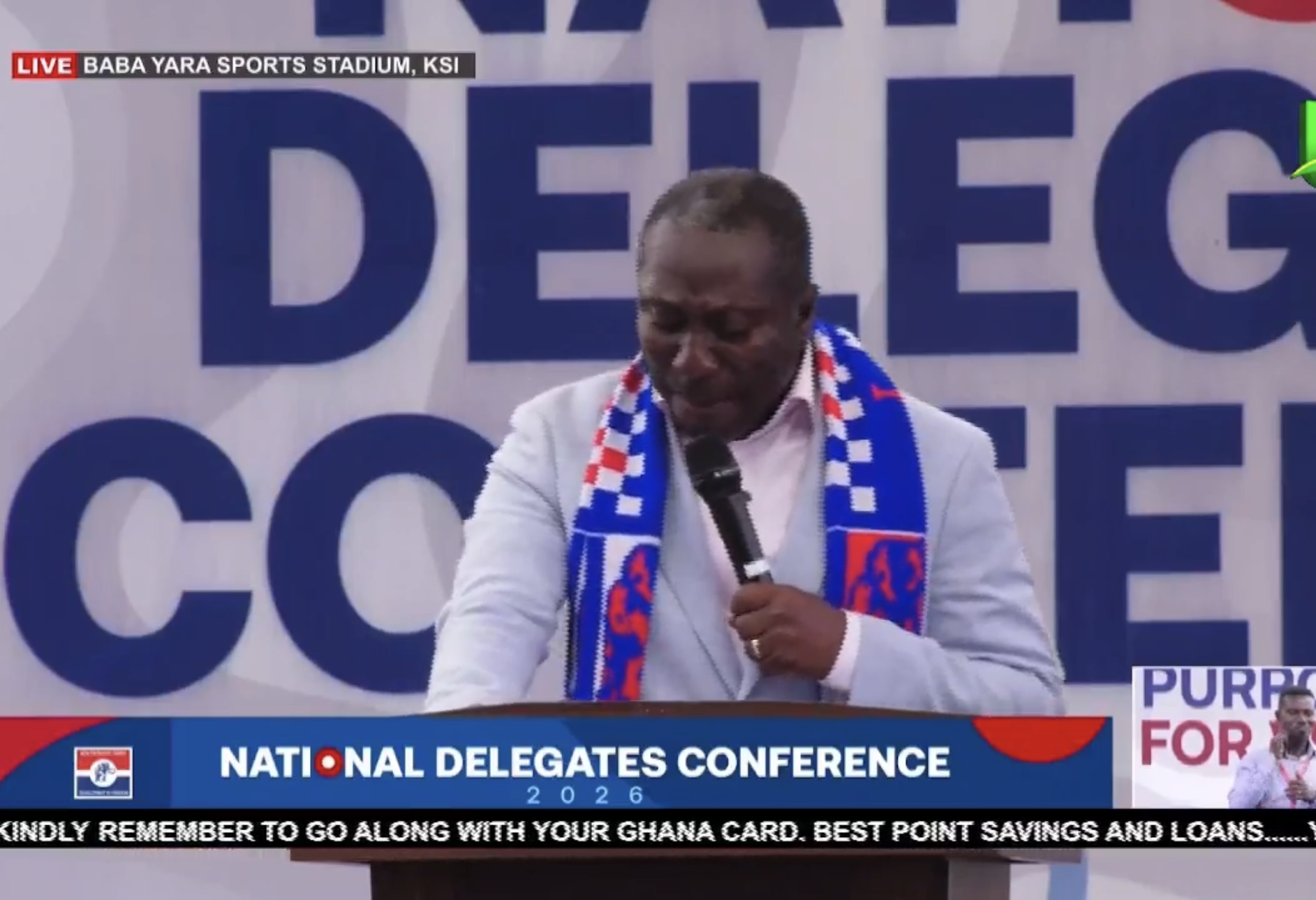
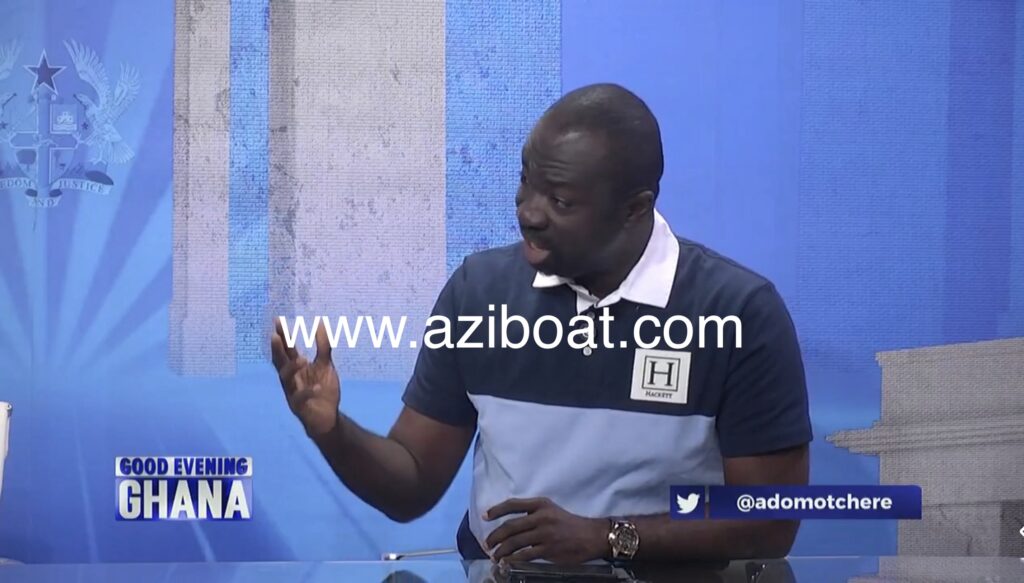
Member of Parliament for the Manhyia South Constituency, Hon. Lawyer Nana Agyei Baffour Awuah, speaks on the High Court judge’s ruling on the matter of Baba Amando and the Abronye arrest and the refusal of bail. He said, “This is not just about one arrest; this is about justice, fairness, and the integrity of the system.”
The speaker begins with a firm personal stance; he rejects, in the strongest terms, any suggestion that he takes money to influence outcomes. By his own words, he has been blessed and has, at times, worked without taking a penny, driven by principle, not profit, and that principle, he says, is rooted in one thing: respect for the law.
PASSION FOR JUDICIAL REFORM
His deep involvement in politics, he explains, did not begin with power; it began with concern for the judiciary. He is passionate about reforming the justice system in Ghana because he understands what happens inside the courts. But he also issues a caution: We must stop painting the entire judiciary as corrupt; that, he argues, is unfair.
It demoralizes hardworking, honest judges, and at the same time, it allows the few bad actors to hide behind the general perception. Instead, he calls for accountability: Any judge who commits injustice must be singled out and confronted. Wrong is wrong.
THE WEIGHT OF JUSTICE
Drawing from his legal training at the Honourable Society of Lincoln’s Inn, he reflects on a lesson that has stayed with him: Unlike medicine, where mistakes can cost lives, injustice in the legal system can destroy everything:
- A person can lose their freedom
- Lose their property
- Or even lose their life, through wrongful sentencing
And history has shown that some people have suffered irreversible harm due to judicial failures.
THE CASE: ARREST AND BAIL CONTROVERSY
He then turns to a recent incident.
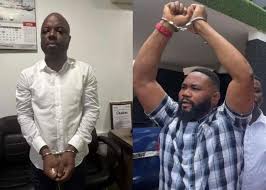
He says the minority leader informed him that two individuals, including Abronye and Baba Amando, had been arrested and transferred to Accra. Their alleged offense? Publishing edited images of high-profile figures, including John Dramani Mahama and others, portraying them in a controversial light linked to LGBT symbolism.
He makes his position clear: He condemns the act. It was inappropriate and disrespectful. But condemnation of the act does not mean denial of justice.
THE LEGAL QUESTION
The charges reportedly include:
- Publication of false news
- Libel through electronic media
Yet, he raises a critical legal point: This may fall within the realm of satire or cartooning—something that has precedent in Ghana’s legal space. Even under Nana Addo Dankwa Akufo-Addo, political cartoons and caricatures were widely circulated, sometimes mocking top officials. So where do we draw the line? He added.
BAIL GRANTED… THEN WHAT HAPPENED?
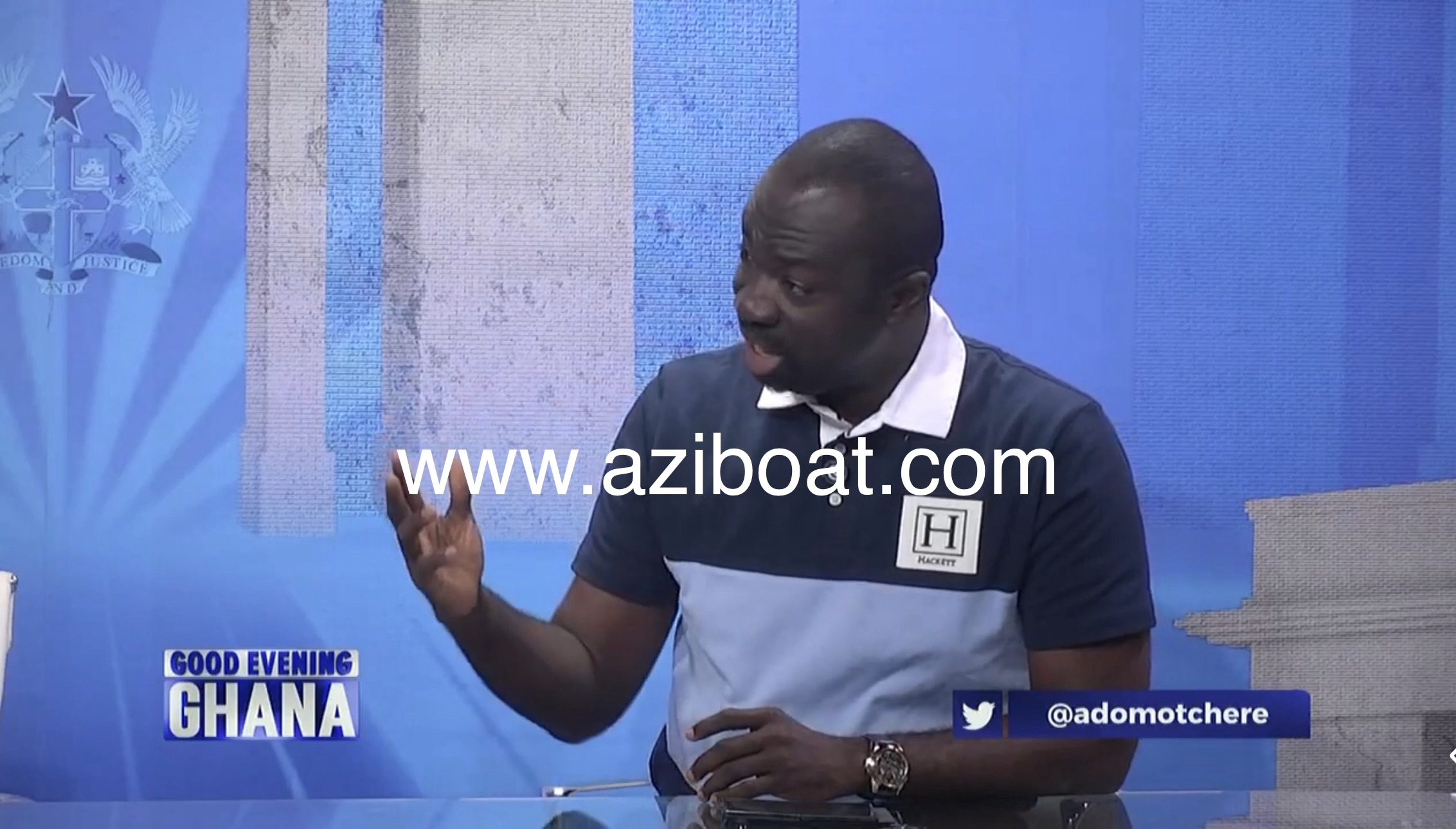
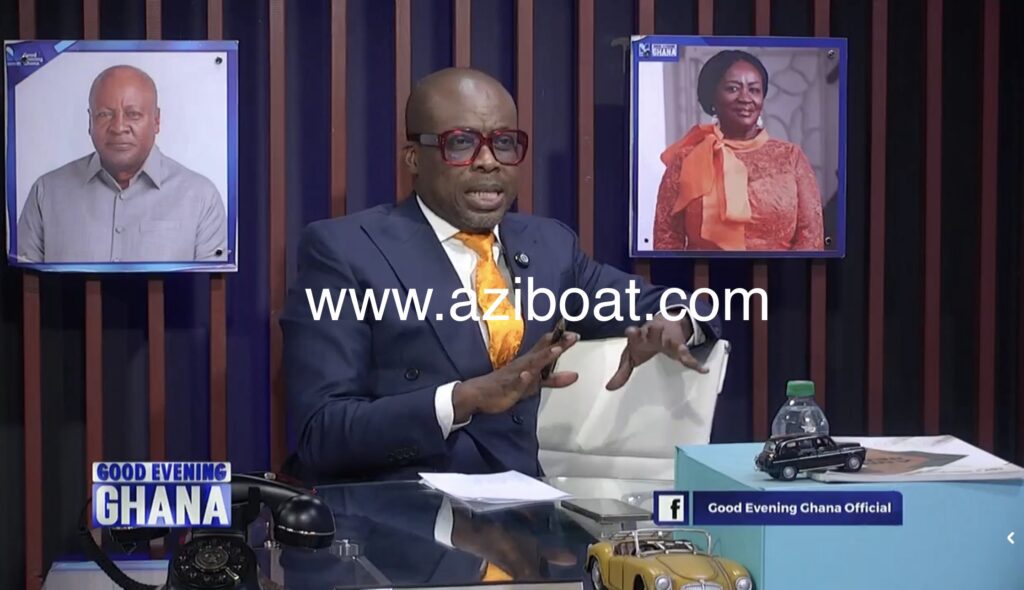
Speaking on the Good Evening Ghana show hosted by Mr. Paul Adom-Otchere, he said, “Initially, both individuals were granted bail by the police. They complied fully. In fact, Baba Amando reported to the police station two hours early, at 8 a.m., for a 10 a.m. appointment. Then suddenly, the situation changed. They were re-arrested and taken to court.
WHAT THE LAW SAYS
He was asked what the law says; he said, “Here is where the speaker makes a crucial legal argument:” In criminal matters, the investigator plays a key role in determining whether bail should be granted.
They assess:
- Flight risk
- Possibility of interference with investigations
- Personal safety concerns
In this case, the investigators had already done that assessment and granted bail. So what changed?
COURT PROCEEDINGS
When the case was called in court:
- A bail application was made by the minority leader.
- The prosecution (police) stated clearly: they did not oppose bail
- They left the decision to the court’s discretion
And this is important. Because when there is no opposition from the prosecution, the expectation based on legal principles is that bail should ordinarily be granted.
Especially when:
- The accused persons had already been granted police bail
- They complied with reporting conditions
So the question arises: Where is the risk?
THE BIGGER ISSUE
This is no longer just about Abronye or Baba Amando. It is about consistency in the justice system. It is about ensuring that:
- The law is applied fairly
- Discretion is exercised judiciously
- And citizens are not subjected to arbitrary decisions
FINAL THOUGHT
Justice must not only be done; it must be seen to be done. Because once people begin to lose confidence in the system, the consequences go beyond the courtroom. They affect the very foundation of the state. And that is why the speaker insists we must speak not to attack the judiciary but to protect it.