It is Not The Government’s Responsibility to Build a National Theater For Entertainment – Ola Micheal U-turn
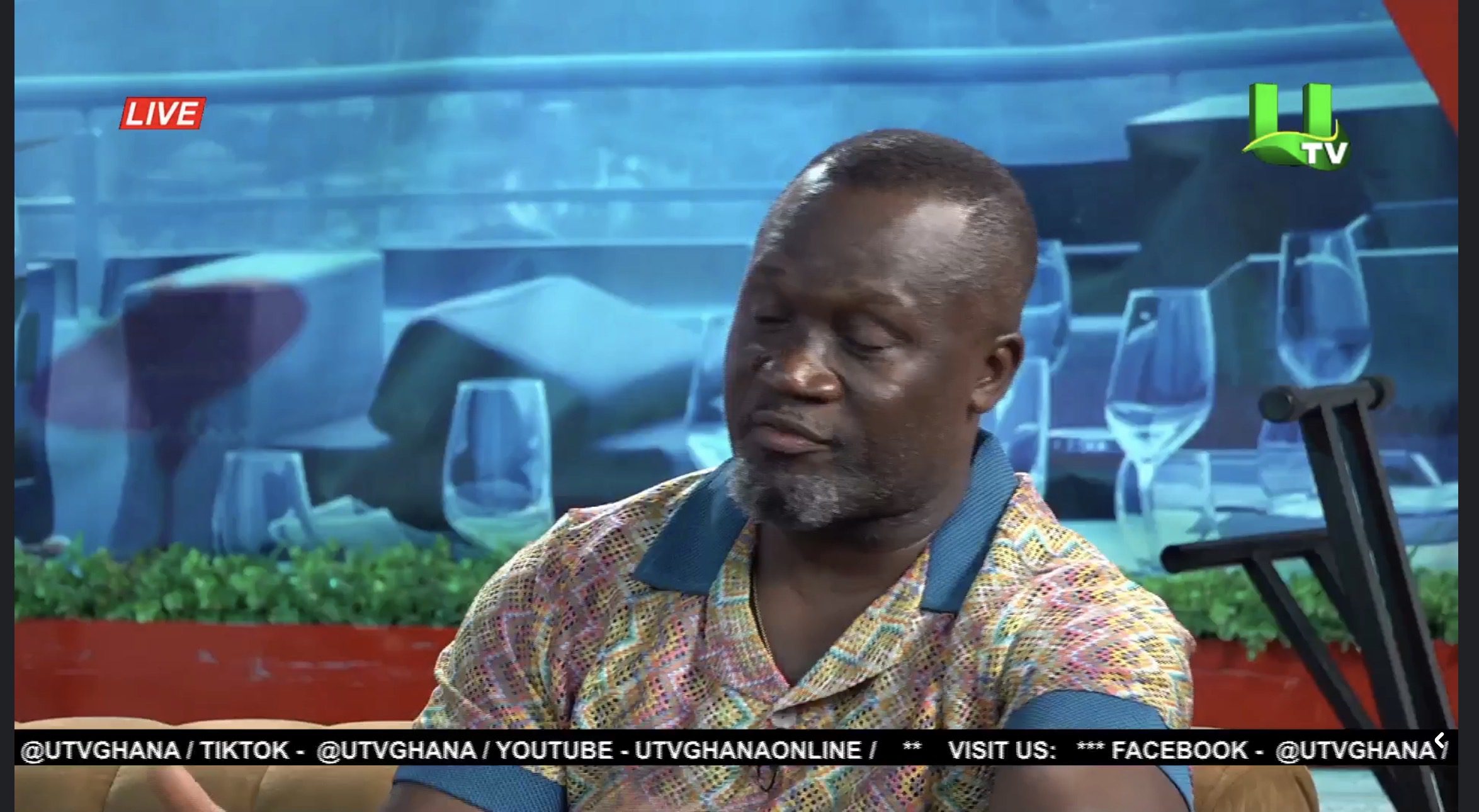
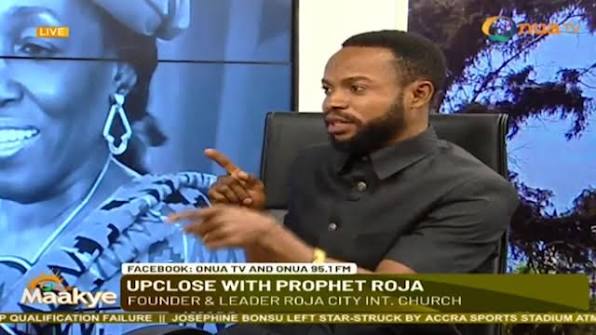
Entertainment analyst Ola Micheal has stirred debate after making a bold and somewhat contrasting statement on United Showbiz, declaring, “It is not the responsibility of a government to build a national theater for entertainment.”
His remarks come at a time when Charterhouse Productions, organizers of the Telecel Ghana Music Awards (TGMA), are struggling to secure a venue for the 2026 awards. The company’s P.R.O., Robert Klah, revealed that access to their usual venue has been restricted due to renovation works, making it impossible to host the 27th edition on May 9 at the traditional location. He explained that although the government communicated the situation as far back as last year, ongoing engagements have not resolved the issue, and finding an alternative venue has proven extremely difficult.
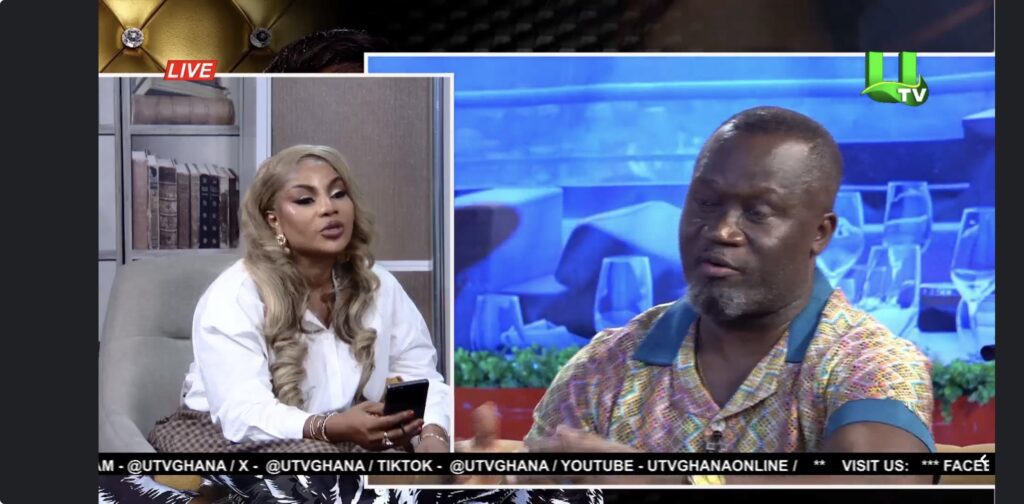
Reacting to this, Ola Micheal acknowledged the challenges event organizers face but maintained his stance that government should not be burdened with building theaters for such purposes. According to him, that responsibility should fall on private investors, as the state cannot afford to develop every piece of infrastructure needed in the country.
However, in a twist that has fueled public criticism, Ola turned his attention to the National Democratic Congress (NDC)—his own political party—urging them to honor their manifesto promise of constructing a national theater in Kumasi. He stressed that the commitment was to build new theaters, not merely renovate existing venues in Accra, warning that failure to deliver after two years in office would be embarrassing.
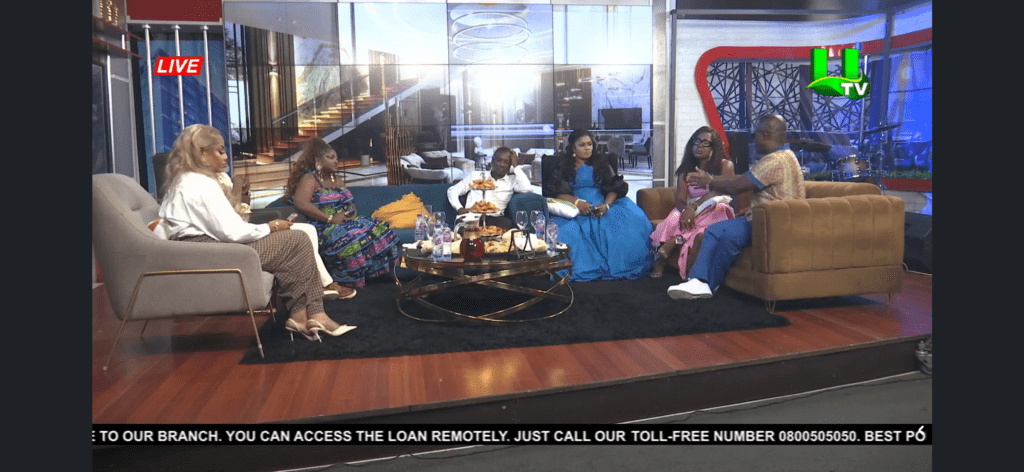
Ola U-Turn On National Theater Building
This position sharply contrasts with his earlier stance during the administration of Nana Akufo-Addo and the New Patriotic Party (NPP), when he openly criticized the government for not building theaters and event venues. At the time, he even showcased images of the incomplete amphitheater project at the Kumasi Cultural Centre to support his argument.
Now, with his party in power, his claim that it is not the government’s duty to build such facilities appears to contradict his previous advocacy. The comparison has reignited conversations about political consistency and highlights a broader concern—how perspectives on the creative arts sector often shift depending on who holds power, leaving the entertainment industry caught in between changing narratives.