“No Ghanaian Killed in Xenophobic Attacks” – High Commissioner Quarshie Speaks on South Africa Tensions 2026
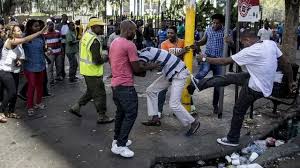
Xenophobic tensions in South Africa
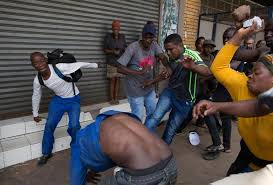
Ghana’s High Commissioner to South Africa, Benjamin Quarshie, has dismissed reports suggesting that Ghanaians have been killed in the recent wave of xenophobic tensions in South Africa. Speaking in an interview on Joy News, the High Commissioner assured that no Ghanaian life has been lost in the current unrest, despite growing concerns both locally and internationally.
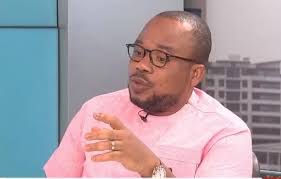
Ghana’s High Commissioner to South Africa, Benjamin Quarshie, speaks on xenophobic
His comments come amid rising political tensions involving former South African President Jacob Zuma and the ruling African National Congress (ANC). According to discussions within political circles, many South Africans believe that the so-called “Doula group” is linked to the uMkhonto we Sizwe Party (MK Party), which is associated with Zuma.
Recently, another group known as “Match for Match” has emerged, with reports suggesting it may also have ties to the Doula group. These developments have fueled speculation that such groups are offshoots of the MK Party, allegedly working to make the ANC unpopular ahead of the upcoming local or district-level elections expected later this year between September and December.
Touching on the security situation
Mr. Quarshie emphasized that Ghana is not yet in a position to issue a travel advisory against South Africa. “We are not there yet,” he stated, highlighting the proactive engagement between Ghana’s Foreign Affairs Ministry and South African authorities. He noted that there is a coordinated, hands-on approach involving foreign ministers and government agencies, with daily updates being provided to ensure transparency and safety.
Data indicates that nearly 700 fatalities have been recorded in xenophobic-related incidents in South Africa since 1994. However, Mr. Quarshie clarified that no deaths have been linked to the current wave of tensions. Addressing a widely circulated report about a Ghanaian allegedly killed in East London, a place in South Africa, he revealed that investigations showed the incident was unrelated to xenophobia.
According to him, the victim was stabbed to death by armed robbers in an incident that occurred three weeks earlier. The Ghanaian government has since intervened, preventing an immediate burial and demanding a full investigation. “The Foreign Affairs Minister has instructed that the body should not be buried until we know who killed him and why he was killed and ensure compensation for the family,” he explained.
The victim’s family in Ghana has been identified and informed. The deceased was reportedly the breadwinner, making the loss particularly devastating. Mr. Quarshie stressed that Ghana will no longer tolerate situations where such cases are ignored. “We will ensure accountability. Until justice is done, we will not stop,” he assured.
On the issue of safety for Ghanaians in South Africa, he disclosed that the Ghanaian embassy is working closely with community associations across various regions. These groups remain active and maintain daily communication with officials to monitor any incidents. So far, only one Ghanaian, Emmanuel Asamoah, has been identified as a victim of harassment. Following a viral video incident, concerns were raised about his safety. The embassy has announced the contact number +27726527353 for any Ghanaian unable to call the embassy for assistance.
As a result, the government has arranged for his relocation to Ghana. “We do not believe his life is safe. He will be leaving South Africa very soon,” Mr. Quarshie confirmed. He added that Emmanuel has already been moved to a secure location. Mr. Quarshie also praised the swift response of Ghana’s Foreign Affairs Ministry, noting that such a proactive approach marks a significant shift from past handling of similar situations.
Odehyie Media and Aziboat News Speak to Ghanaians in South Africa over xenophobic tensions
Odehyie Media and Aziboat News have spoken to some Ghanaians living in South Africa regarding the current situation. According to a Ghanaian woman who owns a beauty salon, the situation is not as widespread to all the cities. “It’s not that all the states in South Africa are unsafe,” she explained, adding that she had seen videos circulating on social media about incidents happening in certain areas. She further claimed that the issue is largely linked to tensions involving the Zulu communities.
“It is some Zulu communities carrying out these actions. They don’t even recognize other tribes in South Africa as citizens; they claim they are the only citizens and the rest are foreigners. They see people who are not Zulus as foreigners and treat them the same way they treat Ghanaians and other Africans. Some of these tribes cannot live peacefully with them, not even their own people,” she alleged.
Xenophobic Only on Black People
According to the Ghanaians interviewed. One of the respondents claimed that some of the attackers accused foreign nationals of taking their jobs while refusing to work themselves. “Those attacking people often say foreigners have taken their jobs, yet many of them do not want to work and prefer to live as freeloaders,” the source alleged. They further argued that such claims are selective, pointing out that land ownership in South Africa remains largely concentrated.
“Research shows that white individuals, including a small number of foreign nationals, own a significant portion of agricultural land, with figures often cited at around 70% or more of farms and agricultural holdings. Yet, they are not accused of taking jobs,” the person added. The respondents also alleged that some of the attackers described Black foreign nationals, many of whom supported South Africa during its struggle for independence, as a burden on the country.
“They claim that black foreigners are dirty and are destroying their country. Now, they are rebuilding their nation; they want fellow Africans to return to their home countries,” the source stated. These claims reflect the perspectives of the interviewees and highlight the complexity of the tensions surrounding immigration, employment, and historical narratives in South Africa.
Their comments reflect growing concerns among some residents about ethnic tensions, although the situation may vary across different regions of South Africa.
Table of Contents
By Aziz A. Boateng