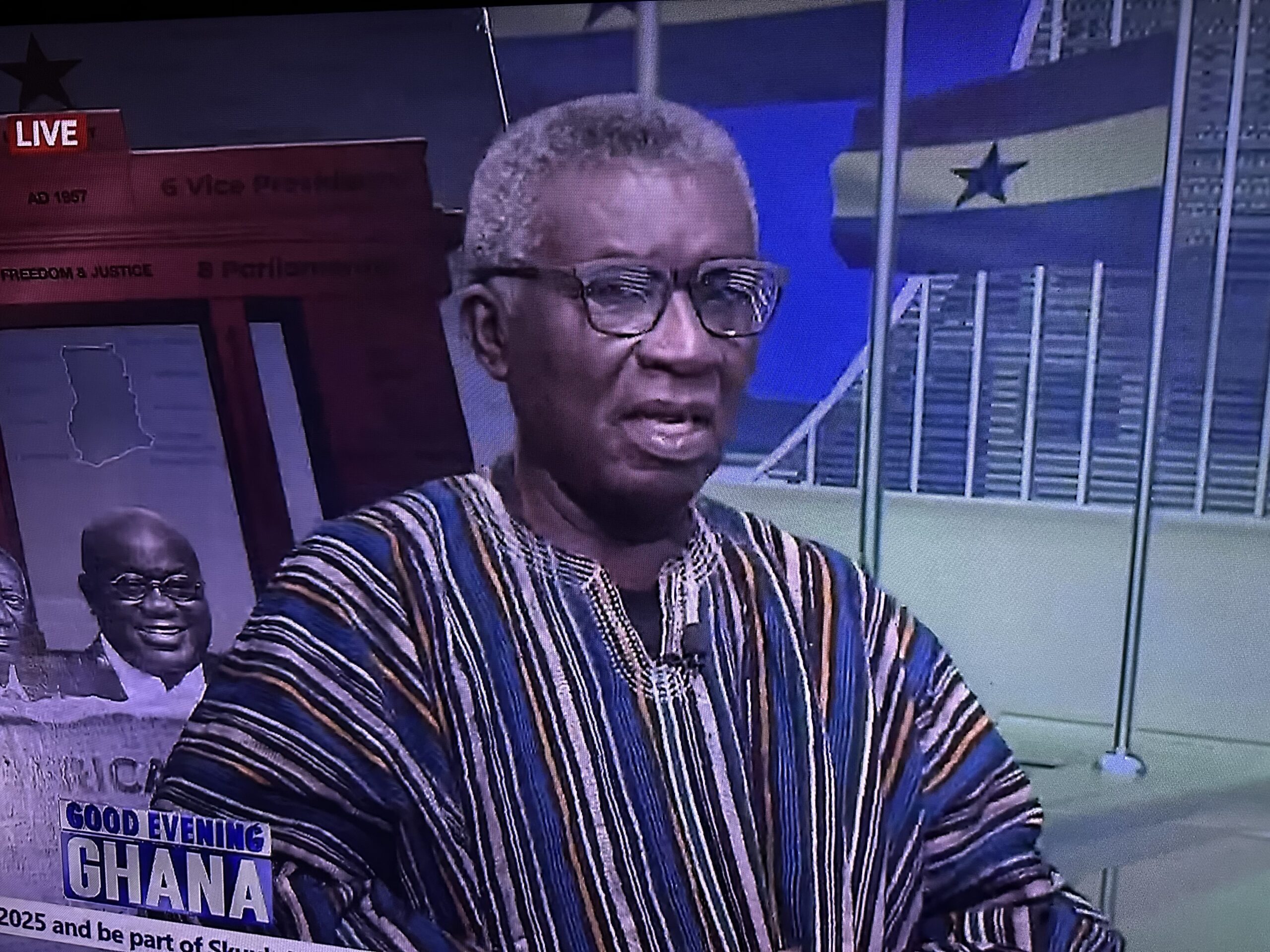
Political analyst warns of Growing Rift Between NDC Party Leadership and Mahama Government
A political analyst has raised concerns that Baba Jamal’s situation appears to have been overlooked or mishandled by the functional executive of the National Democratic Congress (NDC), pointing to what he describes as a growing rift between the party’s national leadership and the government.
What is happening? A Growing Rift Between Party and Government
According to the analyst, there appears to be a widening gulf between the NDC’s national executive and the Mahama-led government. While he acknowledged that this may partly be a matter of perception, he stressed that in politics, perception is everything.
He observed that public statements by key party officials—including the Deputy General Secretary, Mustafa Gbande, the National Organizer, and others—suggest a sense of neglect by the government. These voices, often seen as close to NDC General Secretary Johnson Asiedu Nketia, appear to be drawing a line between the party and the government, implicitly saying, “Take your government; we will take our party.”
This tension, he argued, was evident in recent public commentary and especially in statements surrounding the Baba Jamal controversy.
Baba Jamal, Selective Punishment, and Internal Discontent
He cited a statement by Fifi Kwetey, which questioned why Baba Jamal was being singled out for alleged vote-buying while other contestants—who also hold government appointments or serve on boards—were not facing similar sanctions.
He described this as an indirect critique not only of the party’s internal processes but also of the government itself, since Felix Kwakye Ofosu, who issued the official government response, was speaking on behalf of the president.
In his view, the February 5 statement from the party provided the clearest evidence yet of an internal crisis within the NDC—one marked by distrust, disunity, and unresolved tensions between the party structure and the executive arm of government.
Whether the party will be able to heal these divisions remains uncertain.
Mahama Ayariga and the Committee Controversy
Commenting on the swift removal of Mahama Ayariga from the committee, the analyst said the move appeared to be a response to concerns raised by parliamentary leadership about possible bias.
Although Ayariga himself has not publicly spoken on the matter, he endorsed the parliamentary statement. The analyst argued that Ayariga had little choice, as opposing his colleagues would have severely undermined his authority as a parliamentary leader.
While it was possible that Ayariga could have advised restraint and allowed the committee to complete its work, the analyst suggested that even if external pressure influenced the process, it only reinforces the perception of a deeper rift between the party and the government.
Committee Recommendations and Party Authority
He noted that the committee’s recommendations—chaired by Johnson Asiedu Nketia and made up of national executive members—are now being implemented by the party, notably without the direct involvement of the president.
What stood out to him was the boldness of senior party officials openly suggesting that if Baba Jamal is punished, then all other contestants who engaged in similar conduct and hold government positions should also face sanctions.
He argued that such a stance is highly unusual unless party officials see themselves as institutionally separate from the government, further reinforcing the idea of an internal divide.
Corruption Perception Index and Vindication Claims
Turning to the Corruption Perception Index (CPI), the analyst said recent findings largely vindicate concerns he had raised as early as February 2025 regarding the Attorney General’s handling of corruption cases.
He explained that the CPI measures public perception of corruption on a scale of 0 to 100, with 100 representing the cleanest. Despite the Mahama government being in office for only a year—and enjoying generally positive public sentiment—there has been no significant improvement in Ghana’s corruption perception score.
This, he said, is troubling, especially given the absence of major scandals and growing public praise for the president’s leadership.
Judiciary, Discontinued Cases, and Public Confidence
According to the CPI report, several factors contributed to the stagnation in Ghana’s corruption perception score:
- The perceived politicization of the judiciary, including the dismissal of a former Chief Justice and petitions against heads of independent institutions
- Public discussions around attempts to remove Electoral Commission officials
- The discontinuation of corruption cases involving members of the ruling party, including settlements widely described as “60–40 arrangements”
These actions, the analyst said, raised serious concerns among Ghanaians and weakened confidence in the government’s anti-corruption agenda—particularly when juxtaposed against public promises to recover stolen assets.
He concluded that withdrawing or discontinuing cases involving party members inevitably creates a credibility gap, making it difficult for the public to trust the government’s commitment to fighting corruption.