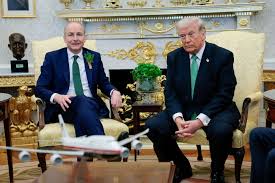
Trump’s Iran War Raises Questions Over Foreign Policy Direction
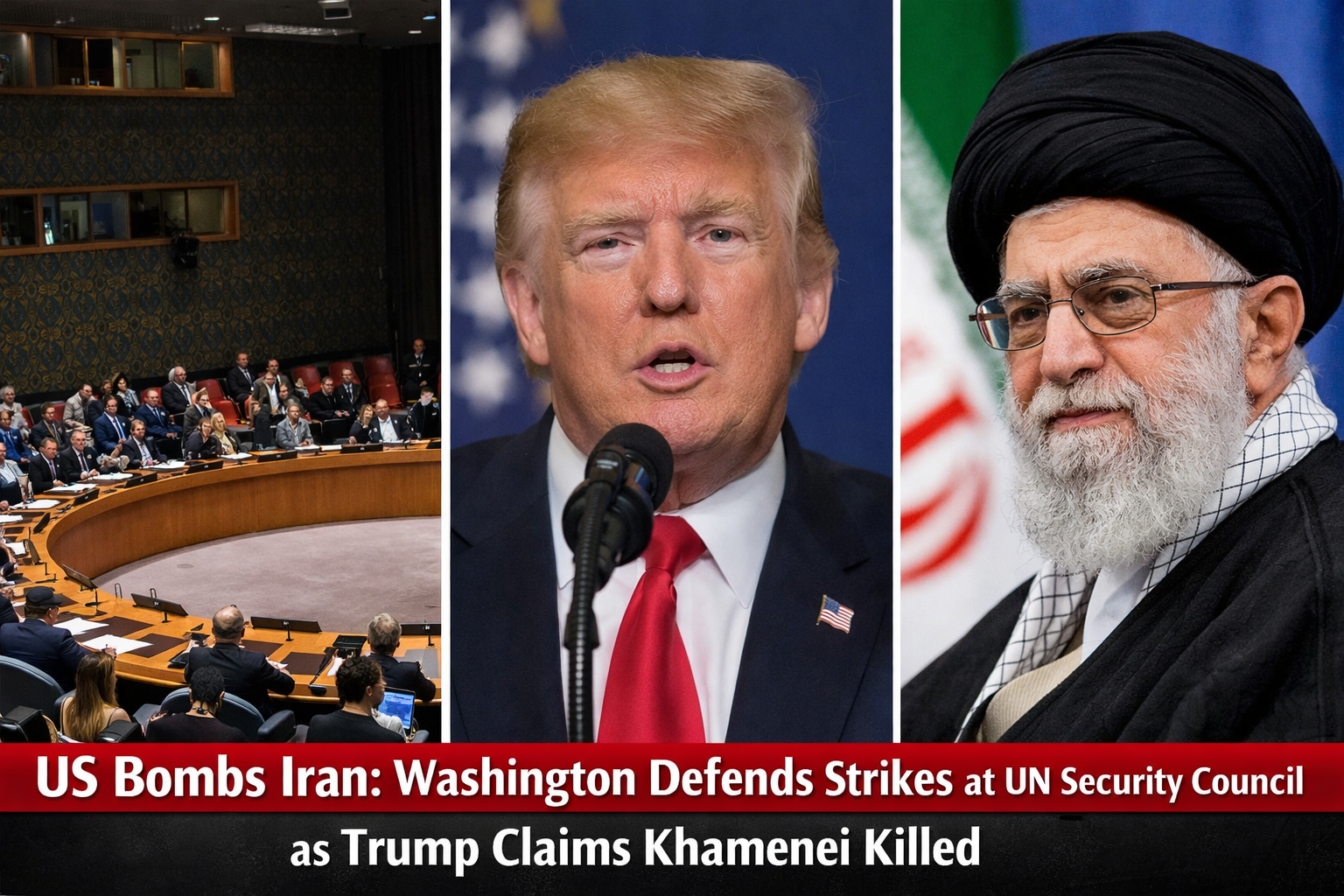
Trump’s Shift to Military Action Raises Questions Over Foreign Policy Direction
Just a day before his election, Donald Trump campaigned on a promise to avoid wars and steer clear of far-reaching regime change operations. However, one year into his current term, his foreign policy approach appears to have shifted dramatically. Recent developments include the reported jailing of Venezuela’s leader, the killing of Iran’s Supreme Leader, and a warning issued to Cuba’s leadership to step aside, marking a stark contrast to his earlier stance.
Analysts suggest this shift may be driven by a combination of factors. One key influence is Trump’s prior use of military force, notably the 2020 killing of Qasem Soleimani, which was widely seen by his administration as successful. More recently, operations such as “Operation Midnight Hammer,” targeting Iranian nuclear facilities in June 2025, as well as a rapid intervention in Venezuela, are also viewed by supporters as effective.
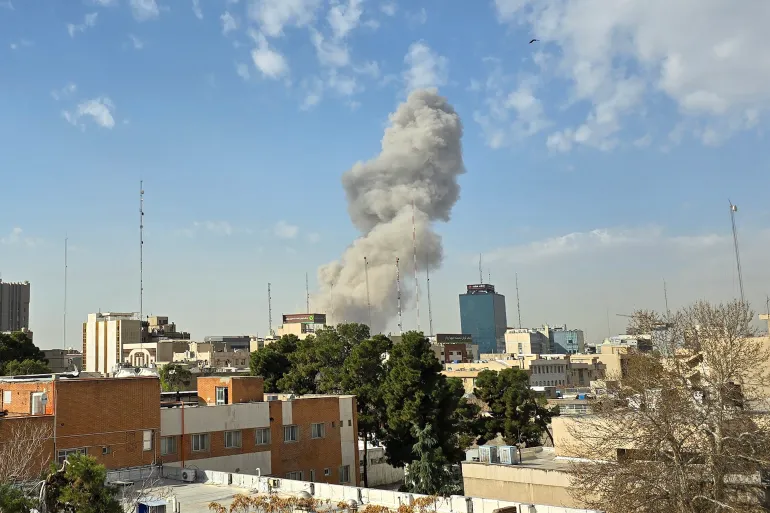
These outcomes, observers argue, may have reinforced Trump’s willingness to deploy military power. Additionally, with limited time left in what is expected to be his final term, there is a growing sense within his administration that key objectives must be pursued urgently. Another major factor appears to be changes within Trump’s inner circle. During his first term, senior defense and intelligence officials were reportedly cautious about military intervention, particularly in Venezuela. In contrast, his current team is seen as more aligned with his approach, offering stronger support for assertive action.
Despite this shift, Trump is often described as pragmatic rather than ideological, someone who responds to perceived opportunities rather than adhering to a fixed doctrine.
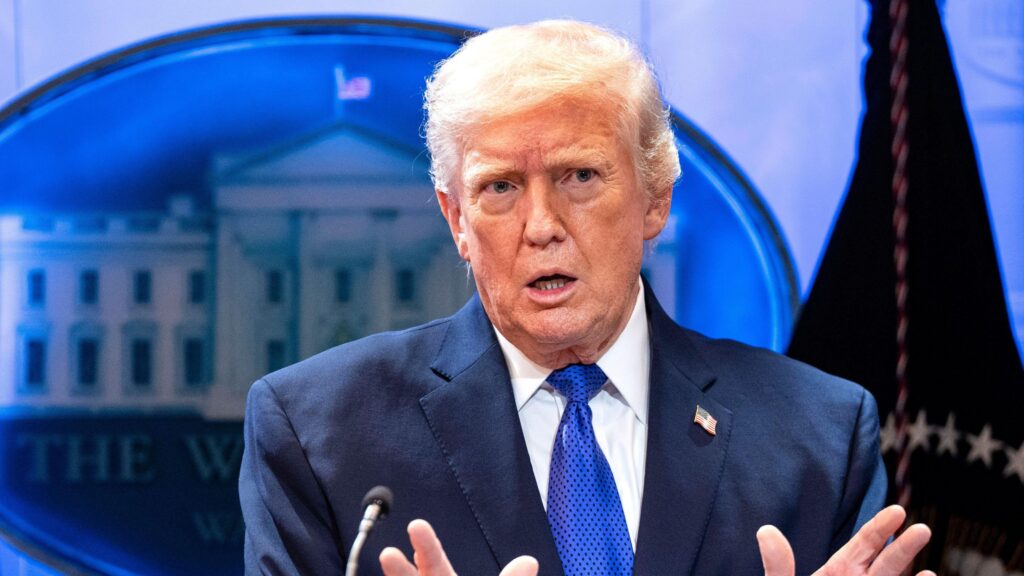
Support and Criticism Over Iran Conflict
The administration’s decision to confront Iran militarily has drawn both support and criticism. Backers argue that Iran’s nuclear ambitions and expanding missile and drone programs pose a significant threat. They point to uranium enrichment levels and regional activities as justification for action. Critics, however, warn of the risks, including the possibility of escalation or unintended consequences. Some voices within Republican circles have questioned whether the conflict primarily serves Israeli interests under Prime Minister Benjamin Netanyahu.
One notable dissent came from former counterterrorism official Joe Kent, who resigned, arguing that Iran posed no imminent threat and that the war was influenced by external pressure. His claims have been strongly rejected by others within the party, who maintain that such views lack broad support among Trump’s base. Polling data suggests that a significant majority of Trump supporters continue to back the administration’s actions, with approval ratings reportedly ranging between 85% and 90%.
Uncertain Endgame
While the long-term goal of weakening Iran’s military and nuclear capabilities is clear, questions remain about the ultimate outcome. Experts note that predicting regime change is difficult, citing past global events that unfolded unexpectedly. There is also concern that Iran, even if weakened, could respond more aggressively. Still, supporters argue that the country’s reduced capabilities would limit such risks.
Looking ahead, some believe Trump may soon scale back military operations—potentially by the end of March—based on economic pressures and political considerations, including oil prices and upcoming midterm elections. However, any continuation of hostilities by Iran could prolong the conflict. At present, the use of large-scale ground troops appears unlikely, though limited operations remain a possibility.