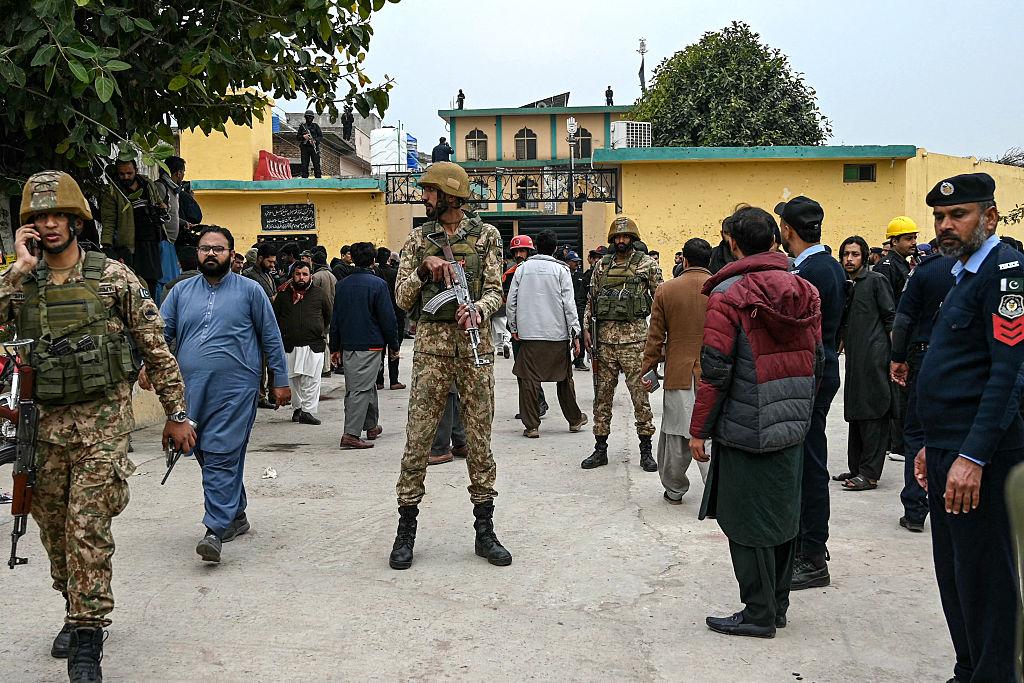
An explosion outside a Shiite mosque in Islamabad during Friday prayers has killed 31 worshipers and injured many more, making it the deadliest attack the capital has witnessed in more than a decade.
Authorities confirmed that the attacker was stopped near the mosque’s entrance before he could detonate the device inside — a development officials believe prevented an even higher death toll.
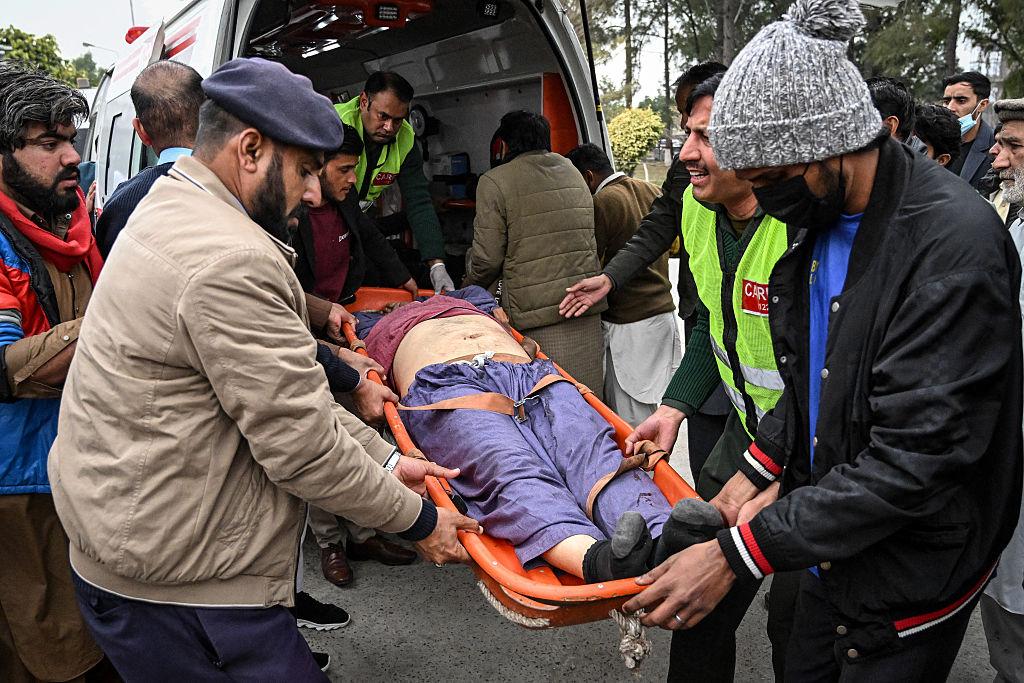
When emergency crews arrived, bodies were still lying across prayer carpets as rescuers scrambled to assist the wounded.
Families searched frantically for loved ones in the chaotic aftermath.
One survivor described the severity of the injuries suffered by his father:
“His leg is badly wounded, and he has a hole in his stomach.”
While government officials issued condolences, some residents voiced frustration, accusing authorities of failing to provide adequate protection.
“Security and safety are the government’s responsibility… unfortunately, you are failing,” one local resident said.
UN Condemns “Horrific” Violence
António Guterres, Secretary-General of the United Nations, strongly condemned the bombing, describing it as a horrific act of violence targeting civilians at prayer.
He reiterated calls for accountability and emphasized the need to protect places of worship.
For many Pakistanis, the bombing is a stark reminder that militant networks remain capable of striking high-profile targets despite ongoing counterterrorism efforts.
As investigations continue, authorities face mounting pressure to prevent further attacks and restore public confidence