Ghana Traders Fear Impact of Sahel Terror Threats on Food Prices
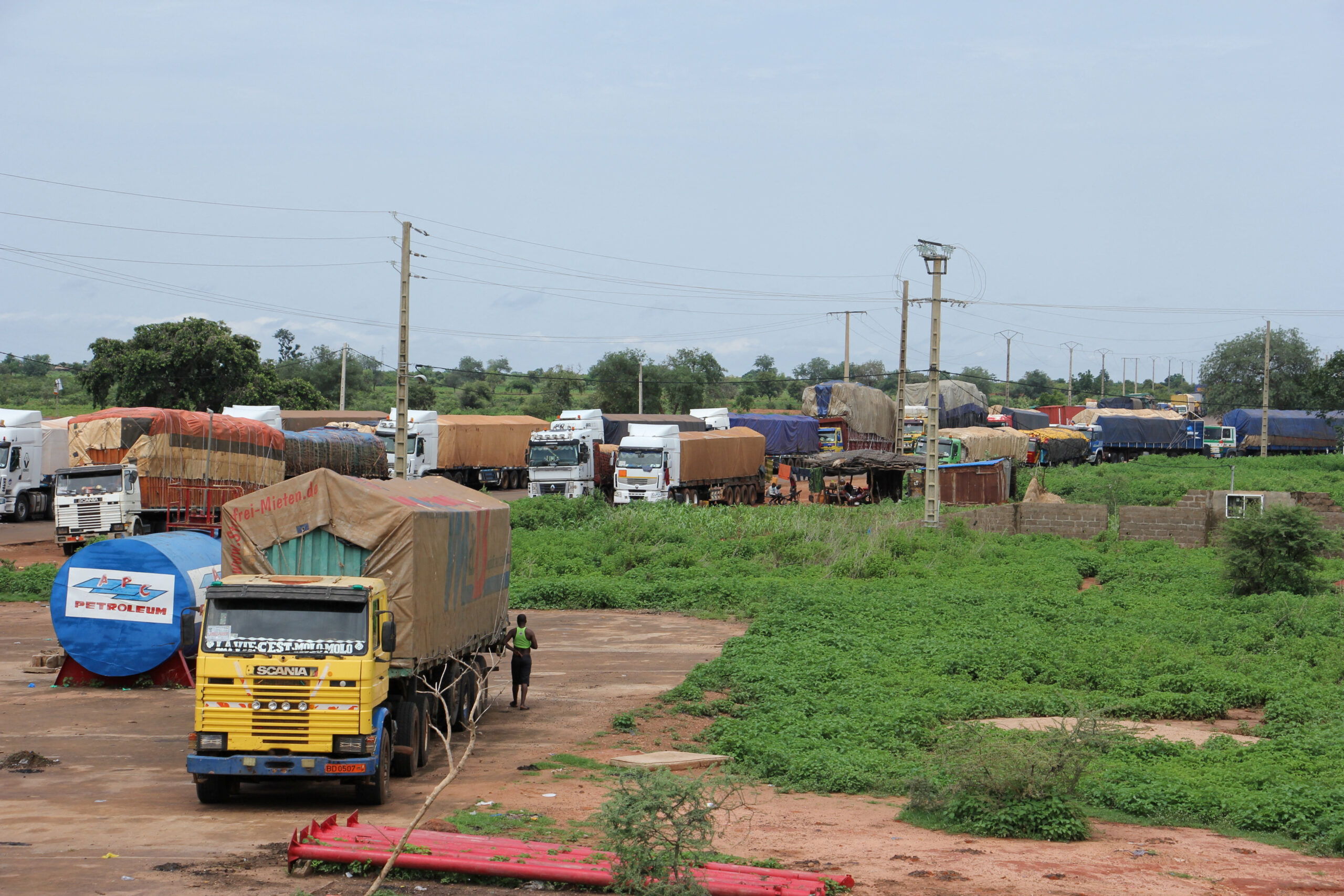
Concerns over rising insecurity in the Sahel region are growing after discussions on Ghana’s Breakfast. The daily program highlighted the potential impact of regional instability on trade, food security, and economic activity. Mr. Elvis Darko, the news editor of NewsCenta Newspaper, emphasized that escalating violence in neighboring countries such as Burkina Faso could significantly affect Ghanaian traders who regularly travel across borders to import essential food commodities, including tomatoes and onions.
Trade and Food Supply at Risk
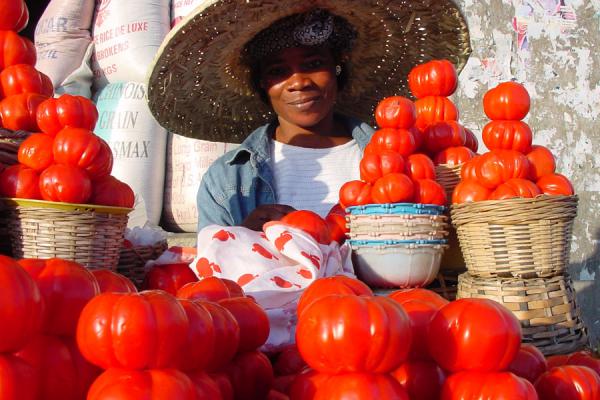
According to him, ongoing clashes between rebel groups and government forces in Burkina Faso have made cross-border trade increasingly risky. Some traders reportedly continue to travel despite growing security threats, raising concerns about their safety and the sustainability of supply chains. Dr. Samuel Ayeh of NDC noted that much of Ghana’s red tomato supply originates from Burkina Faso, meaning disruptions could lead to higher food prices and supply shortages in local markets. “Insecurity affects economic activity. When traders are afraid to travel, prices go up, and households feel the impact,” one panelist stated.
Calls for Regional Unity
Participants stressed that instability in the Sahel should not be viewed as a problem for individual countries alone but as a collective regional challenge. There were calls for stronger collaboration among West African states through ECOWAS to confront terrorist threats and ensure safe trade routes. The NPP’s Mr. Ibrahim Agyei argued that insecurity in one neighboring country could quickly spill over into others, affecting livelihoods across the sub-region. “If we do not unite to tackle these threats, no country in the region is truly safe,” a panelist said.
Security a National Priority
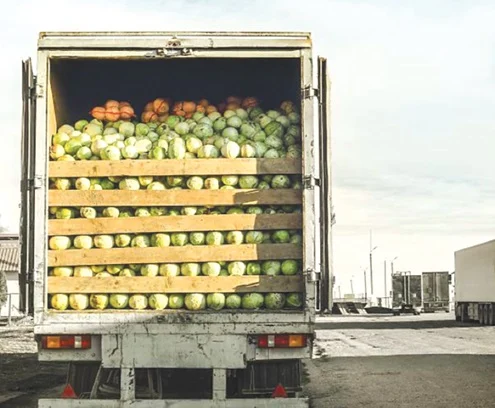
While discussions touched on political implications, contributors agreed that security matters must remain above partisan debate. Government officials were urged to continue diplomatic and security engagements with Sahel nations to protect Ghanaian traders and maintain regional stability. The panel praised initiatives aimed at strengthening ties between Ghana and countries in the Sahel region, viewing cooperation as essential for preventing economic disruptions.
Impact on Ghana’s Economy
The discussion highlighted broader economic concerns, noting that Ghana depends heavily on imports from neighboring countries.
Any prolonged instability, analysts warned, could:
- Increase food prices in local markets
- Disrupt transportation routes
- Reduce trade volumes
- Threaten food security
Traders who rely on cross-border business may also face financial losses if insecurity worsens.
ECOWAS Under Pressure
Panelists suggested that ECOWAS must take a more proactive role in addressing regional threats, arguing that peacekeeping and coordinated security responses are necessary to protect economic activity. They stressed that ensuring stability in the Sahel is critical not only for security but also for long-term regional prosperity. The discussion concluded with a warning that continued instability could have far-reaching consequences for Ghana and its neighbors if collective action is not taken. Analysts called for unity, coordinated security strategies, and policies aimed at protecting traders and safeguarding regional food supply chains.