African Politicians, 8 Embracing the Plight of the Poor
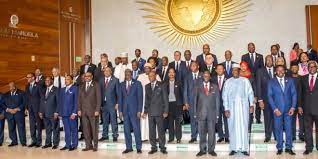
African politicians, like politicians around the world, vary in their approaches and attitudes toward addressing the needs and concerns of the poor people in their countries. While it is unfair to generalize the actions of all African politicians, there are several ways in which some African politicians demonstrate a genuine concern for the well-being of the poor and strive to improve their lives. Here are a few examples.
In the diverse and dynamic landscape of African governance, a compelling narrative of compassion, dedication, and genuine concern for the most vulnerable has emerged. African politicians, often overshadowed by headlines of political upheavals or economic challenges, have quietly been shaping a transformative narrative of empathy and progress. These leaders, driven by a shared commitment to addressing the needs of the impoverished, have ventured beyond the realm of rhetoric and undertaken tangible actions that reverberate positively through their societies.
While the challenges of poverty persist across the African continent, a remarkable group of politicians has risen to the occasion, becoming beacons of hope in their respective nations. These African politicians understand that true progress can only be achieved when the most marginalized are lifted from the depths of destitution. With their hearts firmly set on this noble mission, they have embarked on a journey to enact change that is not just skin-deep, but transformative in essence.
Here are a few examples:
1. African Politicians Poverty Alleviation Programs
Many African politicians recognize the urgency of poverty alleviation and implement programs aimed at uplifting the poor. They may introduce social welfare schemes, such as cash transfer programs, food subsidies, or job creation initiatives, to provide immediate relief and improve the living conditions of impoverished communities.
2. African Politicians’ Access to Basic Services
Understanding that access to basic services is crucial for poverty reduction, some African politicians prioritize improving infrastructure and public services in marginalized areas. They invest in healthcare facilities, education systems, clean water supply, and electricity, ensuring that the most vulnerable populations have access to these essential services.
3. African Politicians‘ Economic Empowerment
African politicians who take the poor people at heart often focus on economic empowerment. They work towards creating an enabling environment for entrepreneurship and small-scale businesses, providing financial support, training, and mentorship to aspiring entrepreneurs from disadvantaged backgrounds. By promoting economic opportunities, they aim to lift people out of poverty and create sustainable livelihoods.
4. African Politicians’ Education and Skills Development
Recognizing the transformative power of education, some African politicians prioritize investments in education and skills development programs. They strive to make quality education accessible and affordable to all, particularly for children from low-income families. Additionally, they support vocational training and adult education initiatives, equipping individuals with relevant skills to secure employment and improve their socio-economic status.
5. African Politicians’ Participatory Governance
African politicians who truly care about the poor foster a culture of participatory governance. They actively engage with marginalized communities, listen to their concerns, and involve them in decision-making processes. By creating avenues for dialogue and participation, these politicians ensure that the voices of the poor are heard and that policies are tailored to their specific needs.
6. African Politicians’ Empathetic Governance
African Leaders Driving Sustainable Change for the Impoverished, In this narrative, the focus is on African leaders who not only sympathize with the plight of the impoverished but actively initiate and execute policies that bring about lasting improvements. These leaders prioritize poverty alleviation through a multi-pronged approach, including targeted social programs, economic empowerment initiatives, and comprehensive education reforms. Their empathetic governance aims not only to provide immediate relief but to create a foundation for sustainable change in the lives of the poor.
7. African Politicians Inclusive Progress
African Politicians Spearheading Upliftment for Marginalized Communities, this sheds light on African politicians who go beyond mere tokenism and truly embed the concerns of the poor at the core of their policies. They champion inclusive progress by fostering partnerships between governments, civil society, and local communities. By engaging marginalized groups in decision-making processes, implementing region-specific development plans, and ensuring equitable access to resources and services, these leaders drive holistic upliftment that addresses the unique challenges faced by the impoverished.
8. African Politicians Pioneering a Fair Future
African Leaders Catalyzing Positive Change for the Less Privileged, this title underscores the proactive stance of African leaders who pioneer innovative solutions for the betterment of the less privileged. These leaders introduce groundbreaking policies that challenge traditional norms, promote social justice, and create an enabling environment for upward mobility. By prioritizing fair economic opportunities, sustainable urban development, and robust social safety nets, they pave the way for a future where poverty is progressively diminished and the marginalized are empowered.
To end this, It is important to note that while there are politicians who genuinely prioritize the well-being of the poor, there may also be instances where politicians fail to fulfill their promises or engage in corrupt practices. However, it is crucial to acknowledge the efforts of those who genuinely work towards improving the lives of the impoverished and continue to hold all politicians accountable for their actions. Their empathetic approach to governance has translated into a multifaceted strategy that encompasses various spheres of societal development. From implementing innovative poverty alleviation programs that provide immediate relief to pioneering long-term economic empowerment initiatives, these African leaders have demonstrated an unwavering dedication to uplifting those who have been historically left behind. Through this article, we delve into the narratives of these remarkable politicians, shedding light on their distinctive approaches, key accomplishments, and the ripple effects of their actions on the lives of the impoverished. As we navigate through their stories, one central theme becomes evident: the resolve of African politicians to be catalysts of positive change, steering their nations toward a brighter, more equitable future.