Amaliba, NPP is controlling the CLOGSAG, Even in opposition, we need our people in
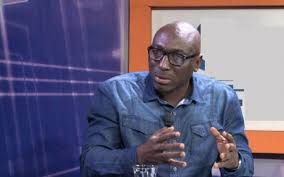
An NDC Member Lawyer, Abraham Amaliba, Criticizes Labour Union Strike, Calls for NDC Interest in Trade Union Elections
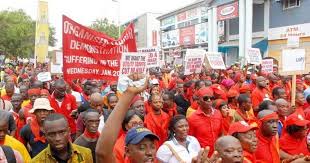
A member of the ruling government, NDC lawyer Abraham Amaliba, has criticized the ongoing strike by the Civil and Local Government Staff Association, Ghana (CLOGSAG), arguing that the union may not have followed all the required legal procedures before declaring industrial action. Speaking during a political discussion, he questioned claims that the union had exhausted all necessary steps, including negotiation, mediation, and arbitration, before embarking on the strike.
According to him, Ghana’s labour laws require unions to negotiate in good faith with employers before escalating disputes. “When negotiations fail, the law requires mediation through the National Labour Commission. If that fails, there can be summary mediation and even arbitration before a strike becomes the last option,” he explained. He insisted that the processes outlined under the country’s labour regulations must be fully exhausted before workers resort to industrial action.
Political Influence in Labour Unions
Lawyer Amaliba also raised concerns about political influence within labour unions, claiming that many union executives are aligned with the opposition New Patriotic Party (NPP). He argued that the ruling National Democratic Congress (NDC) has not paid enough attention to internal elections within trade unions, allowing political opponents to gain control of leadership positions. “Most of them have executives in the various labour unions, and that is what they are using against us,” he said. He urged the NDC to take a greater interest in trade union leadership contests to prevent political opponents from using labour unions to undermine the NDC government.
Historical Ties with Labour Movement
Mr. Amaliba also highlighted the historical relationship between labour unions and social democratic political traditions in Ghana. He recalled that the Trades Union Congress (TUC) was banned during the administration of Kofi Abrefa Busia, arguing that labour movements have traditionally aligned more closely with social democratic politics. “Naturally, social democrats are allies of the trade unions, but we have allowed others to take control of their leadership,” he stated.
Call for Political Strategy
He concluded by urging the NDC to develop a stronger strategy for engagement with labour unions to prevent internal disputes from damaging the party’s public image. According to him, failure to address the issue could allow union leaders to influence public opinion against the government.