Mahama Speaks: Government Targets 100,000 Apprentices, 27,000 New Factory Jobs
Mahama Pushes Youth Employment, Industrial Expansion, Mining Reform, and Housing Development in Major National Reset Drive
Government Targets 100,000 Apprentices, 27,000 New Factory Jobs, and Stronger Illegal Mining Enforcement
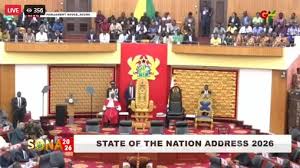
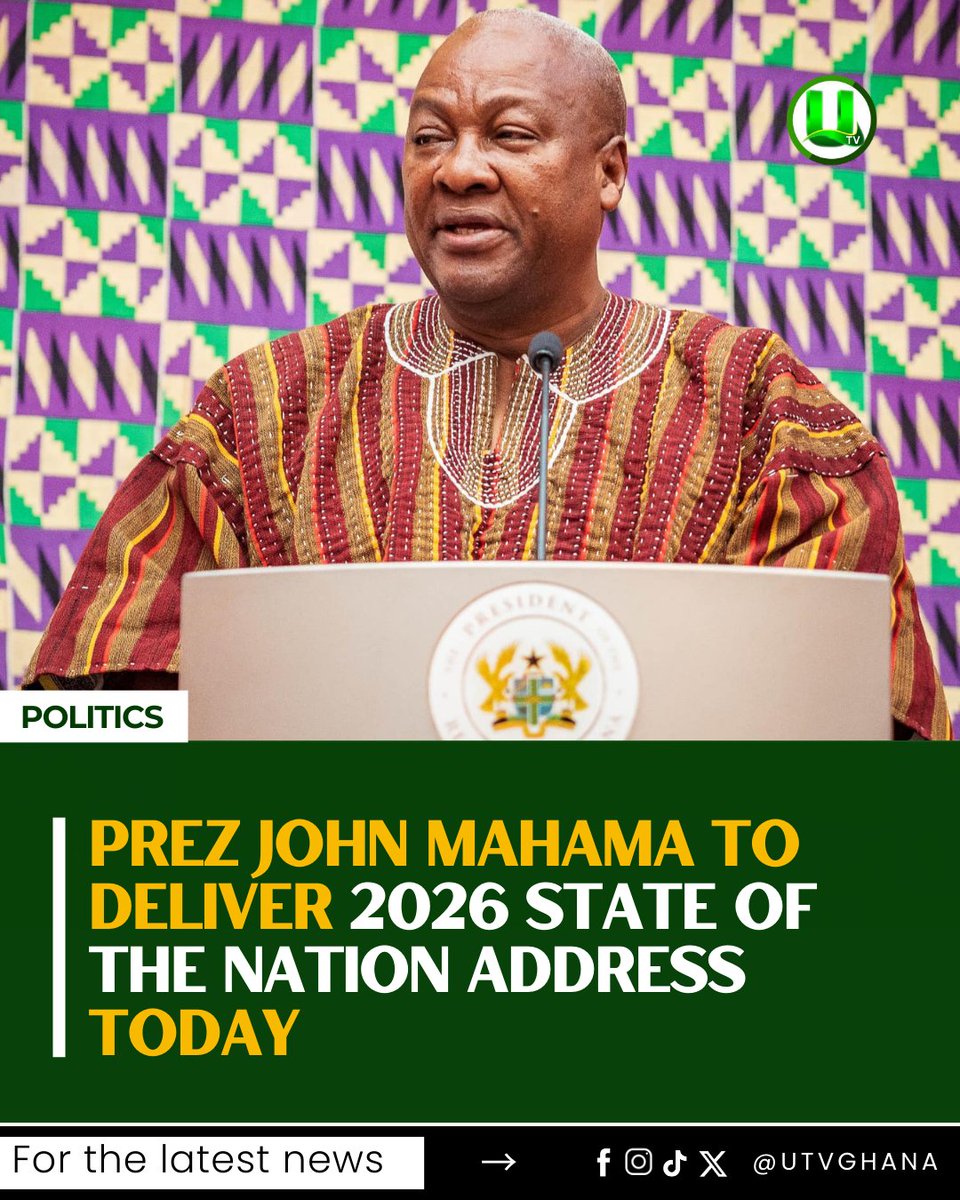
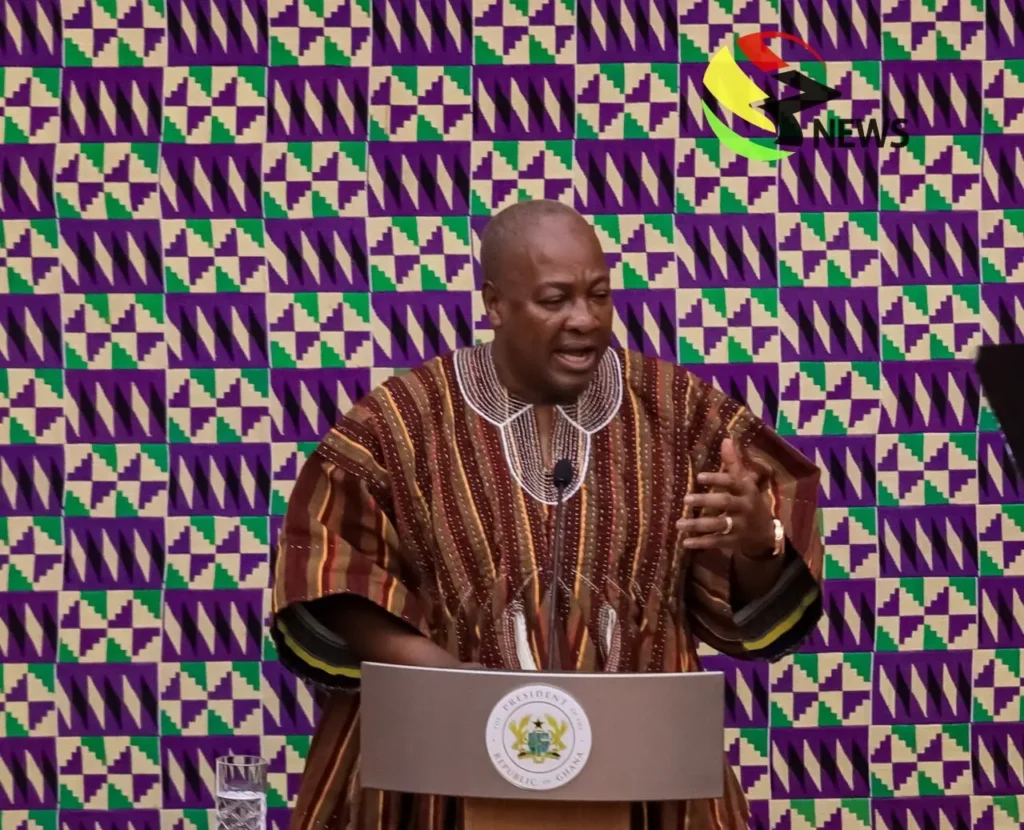
President John Dramani Mahama has outlined an ambitious national transformation agenda focusing on youth empowerment, industrialization, mining reform, and housing development as part of Ghana’s long-term economic reset strategy. Delivering the State of the Nation Address, the President emphasized that youth development and job creation remain the foundation of government policy.
Youth Employment Expansion and Skills Development
The government is scaling up youth training and employment programs to address unemployment.
Key initiatives include:
- Training 10,887 youth in 2025 under the Ejumira entrepreneurship program
- An additional 10,000 youth trained in 2026
- Expansion of the National Apprenticeship Program
The National Apprenticeship Program will target:
- 100,000 young people annually
Previously, 14,000 apprentices completed pilot training and began receiving startup kits after certification. Training is conducted in collaboration with the Commission for Technical and Vocational Education and Training (Ghana) to support employment integration.
Youth Employment Agency Reform
The government has directed a comprehensive review of youth employment modules to:
- Eliminate duplication
- Improve efficiency
- Ensure better value for public spending
Military Training for National Service Personnel
A memorandum of understanding has been signed between:
- National Service Authority (Ghana)
- Ghana Armed Forces
The agreement will provide military training to 10,000 national service personnel during the 2025–2026 service year. The initiative was described as part of strengthening national discipline, skills development, and security preparedness.
Industrial Transformation and Export Growth
The government is prioritizing value addition, manufacturing, and agribusiness expansion.
Plans are underway to establish:
- Three new garment factories in:
- Eastern Region
- Central Region
- Bono East Region
Expected job creation: 27,000 jobs
Industrial policy focuses on:
- Textile manufacturing
- Pharmaceutical and vaccine production
- Automotive components
- Contract farming and agro-processing
State-Owned Enterprise Revitalization
The government is pursuing strategic private investment to revive several state-owned factories, including:
- Volta Star Textiles Limited
- Komenda Sugar Factory
- Pwalugu Tomato Factory
- Zuarungu Meat Factory
Strategic investors are being sourced to support modernization and operational sustainability.
Non-Traditional Export Growth
Ghana’s non-traditional exports recorded strong performance:
- Export earnings reached $4.87 billion in 2025
- Growth rate: 27.04%
- Previous year earnings: $3.83 billion
The result reflects the early success of the Accelerated Export Development Program.
Mining Sector Contribution and Reform
The mining and quarrying subsector remains a major economic contributor.
Statistics show:
- Mining contributed 17.4% of the industry’s GDP share in 2025
- Export earnings from mining reached $15.25 billion
- Mining represented 65.37% of total export receipts
The government abolished VAT on mineral exploration activities to attract investment and reduce exploration costs.
Intensified Fight Against Illegal Mining (Galamsey)
Illegal mining remains a major environmental and security concern. The government has deployed a multidimensional enforcement strategy involving
- Technology-based monitoring
- Community participation
- Strong regulatory enforcement
Key measures include:
- Registration of 1,808 earth-moving equipment at ports
- Installation of trackers on 1,033 machines
- Deployment of 1,634 blue water guards across mining-prone regions
Operations are coordinated across 31 identified illegal mining hotspots.
Coastal Protection and Flood Control
Sea defense projects have been completed in:
- Komenda
- Ningo-Prampram
- Elmina
These projects have protected approximately 15 km of coastline. Phase 2 of the Blekusu-Kosab coastal protection project is 25% complete, restoring calm along vulnerable coastal communities. A national flood mitigation task force has also been established.
Housing Sector Development
Ghana’s housing deficit is estimated at over 1.8 million units.
Government initiatives include:
Saglemi Housing Project
- Joint venture arrangements finalized
- Documentation processing underway for project completion
Affordable Housing Expansion
- Tema Development Company (Ghana) is constructing 800 housing units at Community 26.
Additionally, the Oxygen City Housing Project in Abo aims to deliver 1,000 affordable housing units. Resettlement housing programs are also being expanded for displaced communities.
Economic Vision
President Mahama concluded that Ghana’s development agenda is anchored on:
- Youth empowerment
- Industrial transformation
- Environmental protection
- Security modernization
- Affordable housing expansion
The administration pledged continued investment in human capital and infrastructure to drive national prosperity.