Venezuela at a Crossroads: Citizens Divided Amid Rising U.S. Actions
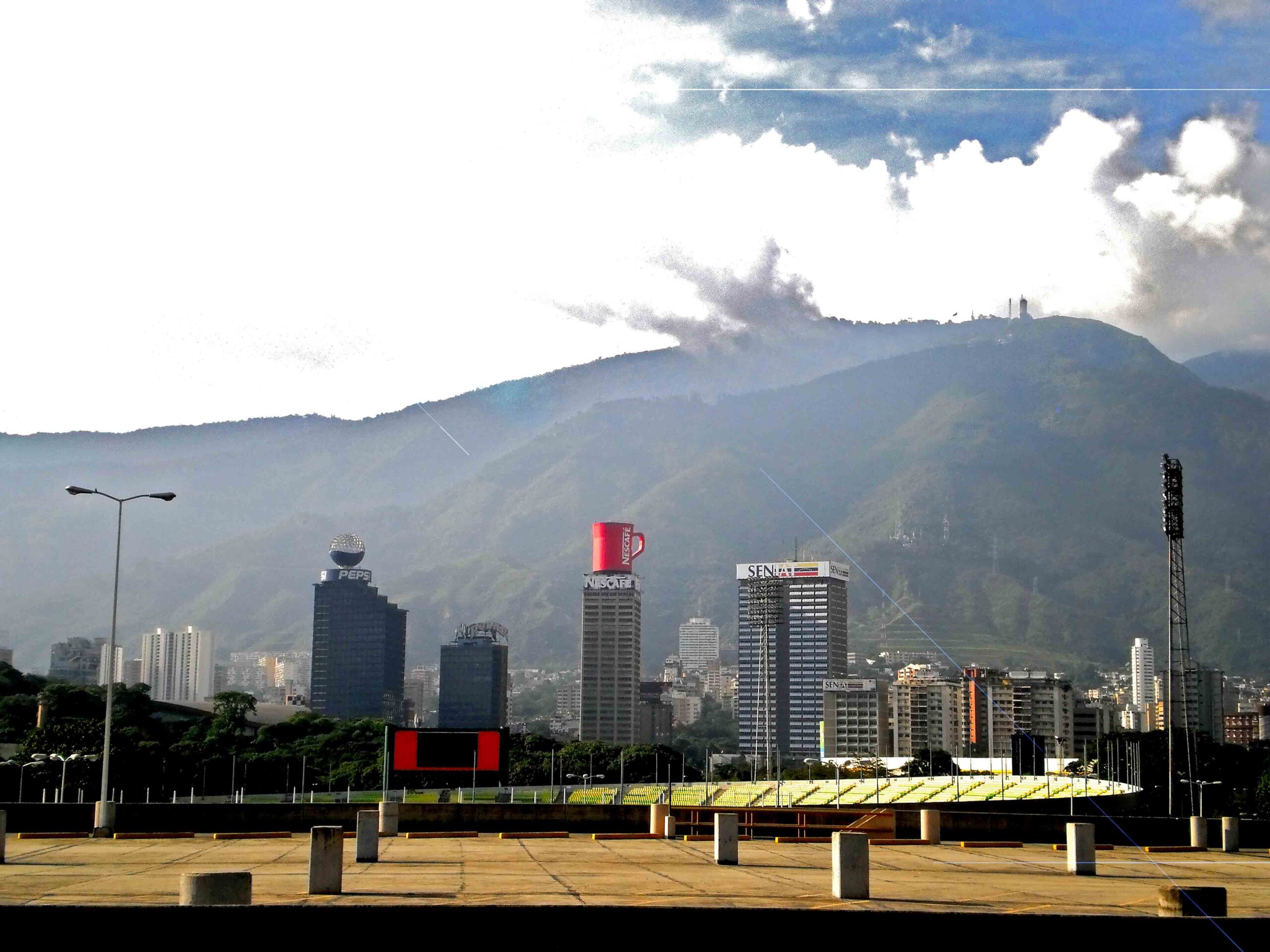
U.S. Pressure on Venezuela Raises Uncertainty Over Country’s Political Future
Caracas, Venezuela’s political and economic landscape, remains uncertain following increasing pressure from the United States, as citizens and analysts debate whether recent developments will lead to meaningful change or deeper instability. According to reports, U.S. authorities have intensified enforcement actions against Venezuelan oil shipments, including the interception of vessels accused of violating sanctions. The U.S. Department of Defense said the measures are aimed at limiting the country’s ability to sell sanctioned oil on international markets. The actions come amid heightened tensions between Washington and Caracas, with Venezuela’s leadership facing growing international scrutiny. While the government’s political apparatus remains largely intact, analysts say the situation has created fresh uncertainty about the nation’s direction.
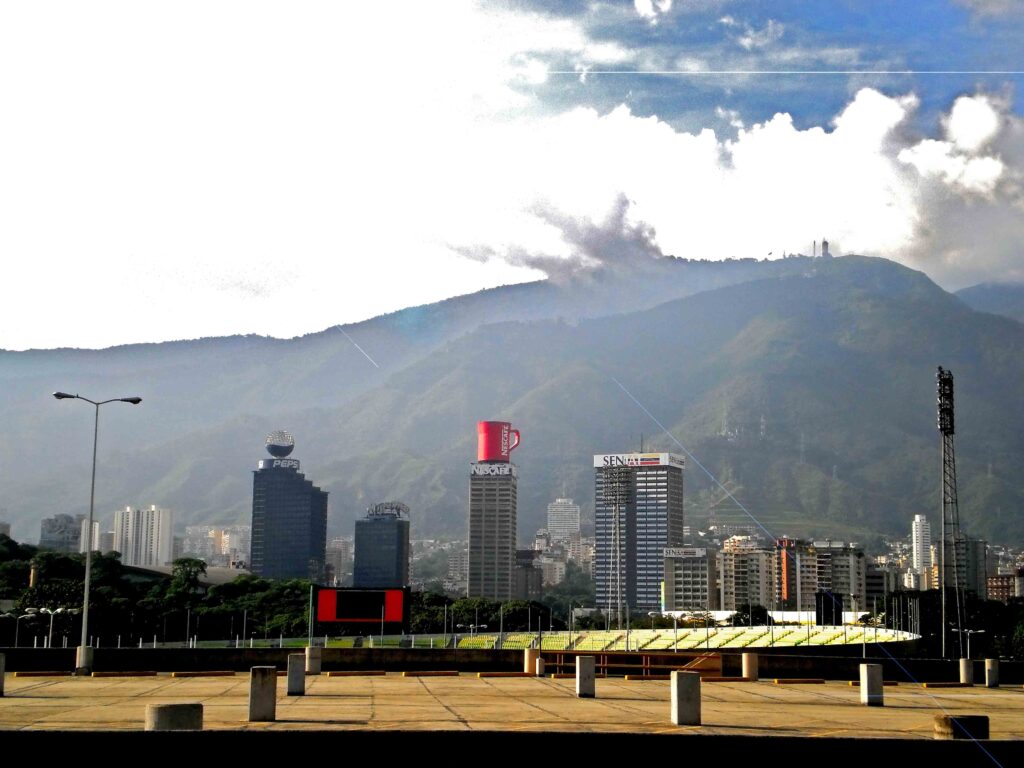
Political structure largely unchanged
Experts note that despite major external pressure, key figures within Venezuela’s administration continue to hold their positions. Cabinet structures and security institutions remain in place, suggesting that the country’s leadership framework has not experienced significant immediate changes. “There is still continuity within the system,” political analysts said, adding that expectations of rapid reform may be unrealistic in the short term.
Citizens divided over the future
On the streets of Caracas, reactions among citizens are mixed. Some residents express hope that international actions could improve economic conditions, while others fear further instability and outside interference. Many Venezuelans say their primary concern is economic recovery, with uncertainty affecting businesses, employment, and daily life. Years of economic hardship have left families anxious about whether any political shifts will bring tangible improvements.
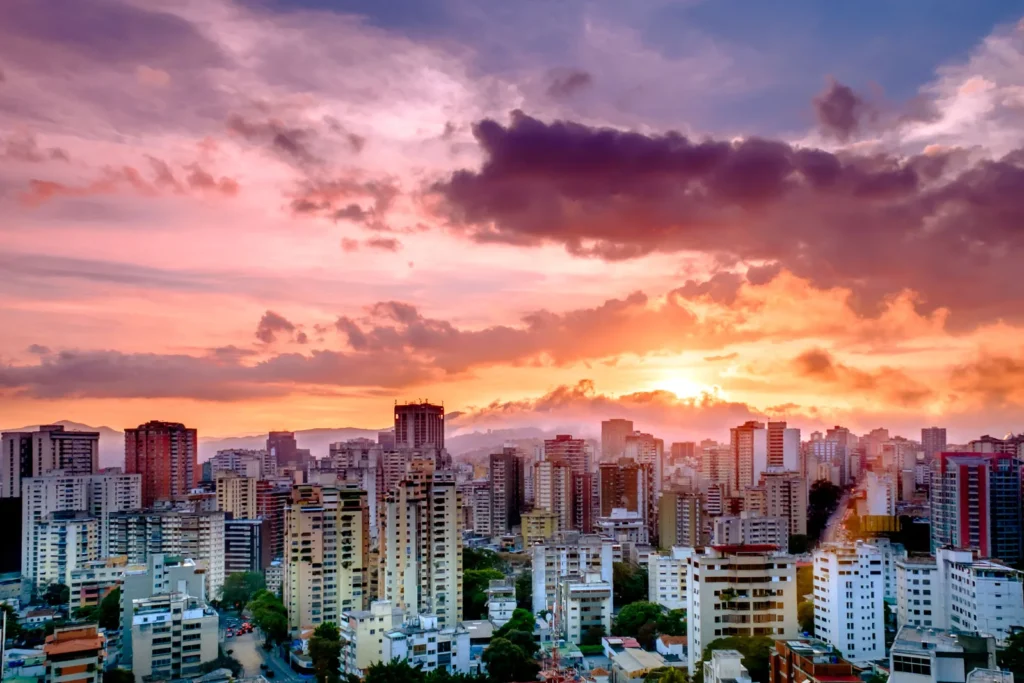
Oil sector under pressure
Venezuela’s oil industry, once a major driver of the national economy, has struggled under sanctions and declining output. Analysts say enforcement against oil shipments has further complicated the government’s ability to generate revenue, potentially deepening financial pressures. Some observers note that reduced oil exports could limit state resources, while others argue that tighter controls may force structural economic adjustments.
Democracy and reform questions remain
Despite calls for democratic reforms and human rights improvements, observers say there is limited evidence of immediate political transition. Discussions around elections and broader governance reforms remain unclear, contributing to skepticism among both citizens and international watchers. Analysts suggest that while there is hope for gradual change, significant political transformation may take time and depend on negotiations involving domestic actors and international stakeholders.
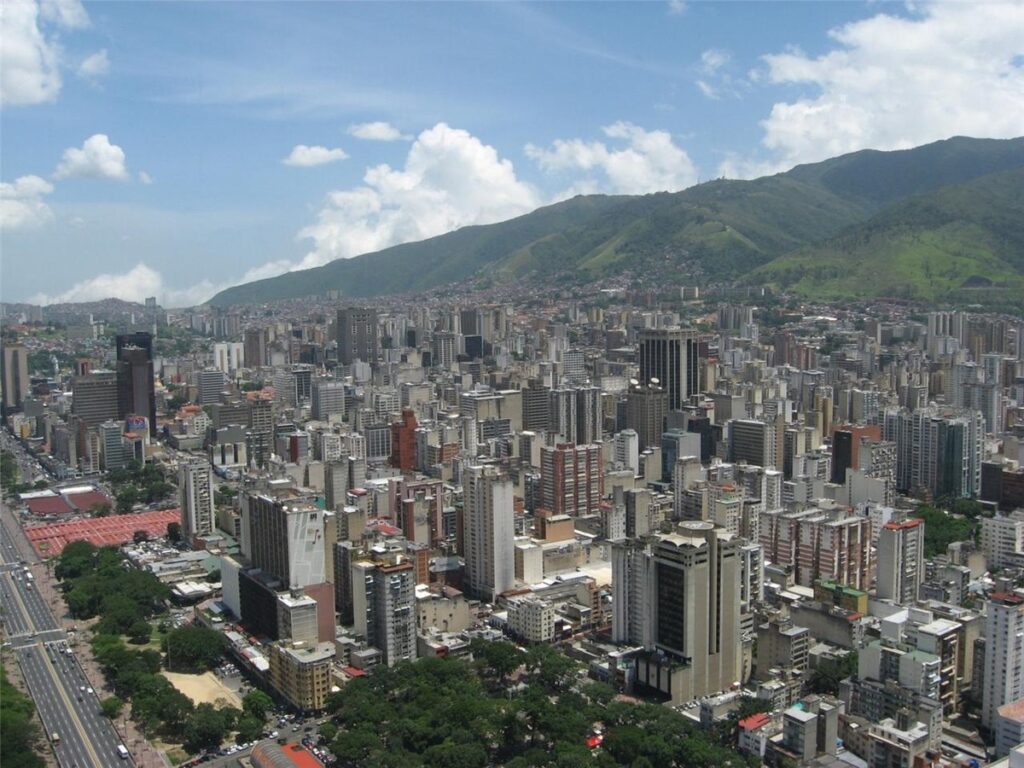
A nation at a crossroads
As hopes for economic stabilization compete with fears of prolonged uncertainty, Venezuela’s future remains unresolved. For now, many citizens continue to watch developments closely, waiting to see whether external pressure and internal dynamics will eventually lead to lasting change.