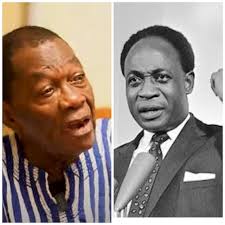
Former Chief of Staff Criticizes Declining Values in Ghana’s Democracy and Military
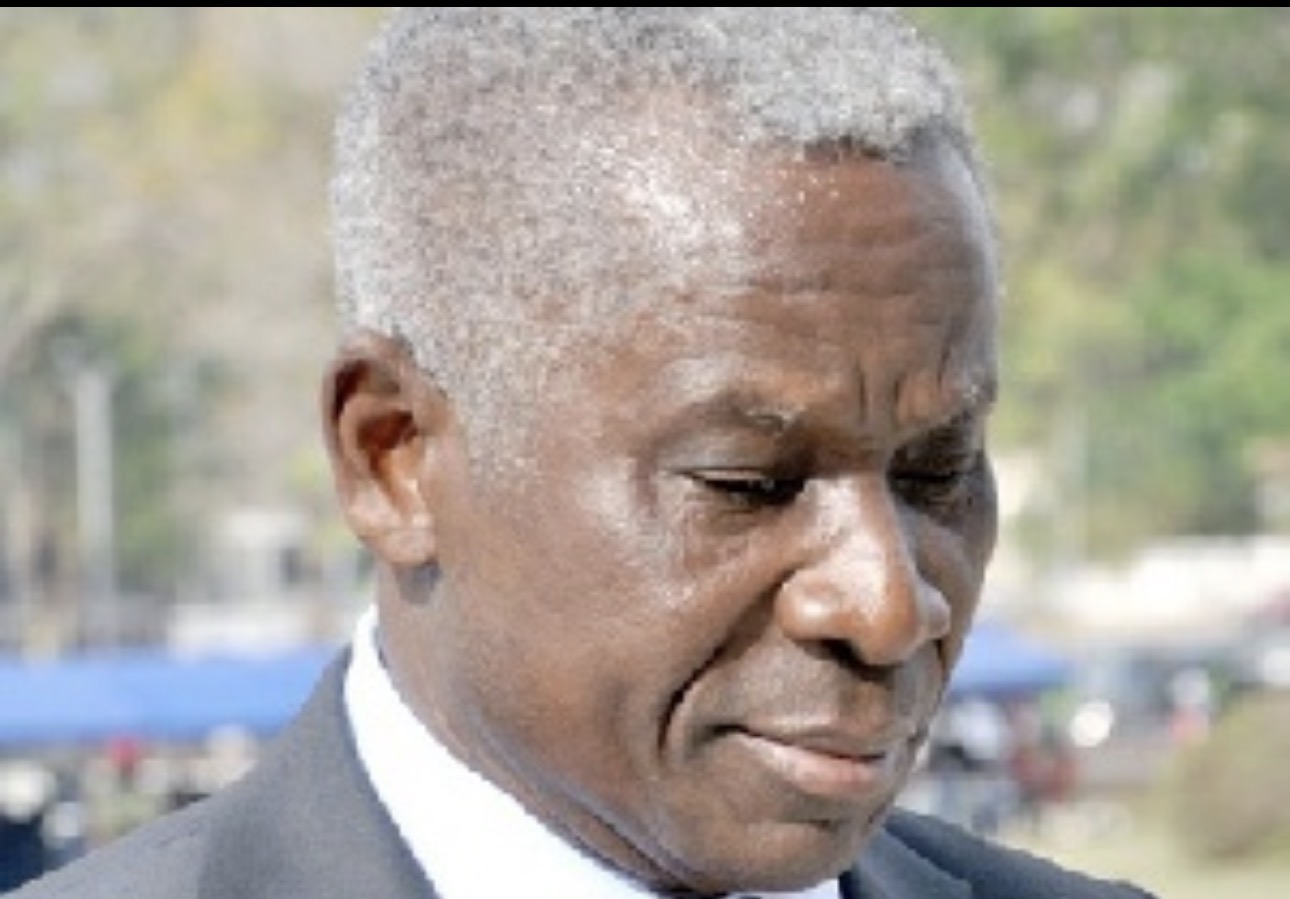
Former Chief of Staff Raises Alarm Over Ghana’s Democratic Culture and Military Standards
A former two-time Chief of Staff has expressed deep concern about the direction of Ghana’s democracy, describing the current political culture as troubling and warning that the nation faces serious challenges if urgent reforms are not undertaken.
Speaking in an interview ahead of the launch of his memoir, the veteran statesman rejected claims that he “shuffled” between political parties for personal gain. Instead, he emphasized that his actions were driven by patriotism and a commitment to national development.
“I wasn’t a political prostitute,” he said firmly. “I am a patriot who loves Ghana more than myself. Everything I did was to help make Ghana a better place for all.”
From Political Exile to National Service
The former official recalled his return to Ghana in 1993 after years in political exile, during which he had opposed aspects of the regime led by Jerry John Rawlings. According to him, his disagreements with the government at the time made it impossible for him to continue working within that system.
After returning home, he later aligned with the New Patriotic Party and supported figures such as Nana Addo Dankwa Akufo-Addo during the party’s early political contests. However, he stressed that his political choices were guided by principle rather than loyalty to any single party tradition.
“My abiding principle was to help make Ghana great,” he noted.
He also reflected on his modest upbringing, describing a childhood marked by severe poverty and difficult living conditions. Those experiences, he said, shaped his determination to pursue leadership not for wealth or comfort but for national progress.
Concerns Over Governance and Accountability
When asked whether Ghana’s current democratic structure gives him confidence, the former Chief of Staff did not hesitate to express worry. Issues such as voter inducement, governance failures, and weak accountability mechanisms, he argued, threaten the country’s democratic gains.
“We have a problem when parents cannot feed their children, educate them, or find jobs for them,” he said, warning against ignoring the warning signs.
He urged national leaders to tap into the experience of older statesmen who can help guide younger generations and strengthen institutions.
“No Comparison” Between Past and Present Military
Turning to the military, the former official drew a sharp contrast between earlier generations of officers and today’s armed forces.
“You can’t compare the military today with what it was 50 or 60 years ago,” he said. “The quality of people was different.”
He lamented reports suggesting that some recruits allegedly pay bribes to secure enlistment, describing the idea as unthinkable in earlier times.
“Giving bribes to go and risk your life for the country? That would never have happened in my time,” he stated.
Despite his criticism, he clarified that he does not blame current military leadership, noting that many officers were not in positions of authority during his era.
Warning of a Bleak Future
The veteran statesman painted a sobering picture of the future, suggesting that declining values are not limited to Ghana but reflect a wider global trend.
“The whole world seems to be losing quality leadership,” he observed. “If we do not reset our priorities, the future looks very dark.”
He advocated for the creation of a non-partisan platform that brings together experienced national figures to contribute ideas for Ghana’s long-term stability and development.
Memoir Launch Announced
The former Chief of Staff also revealed that his memoir — featuring forewords by distinguished personalities including Obed Boamah Akwa — will be launched next week Friday at Christ the King Church Hall.
He described the book as a reflection of a life guided by independence and conviction.
“I don’t follow the crowd,” he said.