1966 Ghana Coup: Soldier Recounts Dramatic Moments Toppling Kwame Nkrumah
1966 Ghana coup
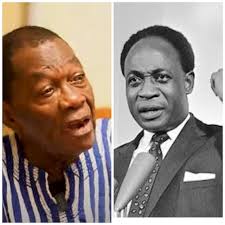
The 1966 Ghana coup remains one of the most significant turning points in the nation’s political history. It brought an abrupt end to the rule of Dr. Kwame Nkrumah, Ghana’s first president, while he was away on a peace mission to Hanoi.
In a rare firsthand narration, a former Ghanaian military officer recounted the tension, urgency, and coordinated action that unfolded in the early hours of February 24, 1966.
His memories provide a vivid window into how the armed forces moved swiftly to seize control of the country to end the Nkrumah government.
Growing Tension Before the Coup
According to the officer, Captain Joel Sowu Rtd, dissatisfaction had been building within both civilian society and the military years before the overthrow of Nkrumah.
According to him, Ghana was facing:
- Severe shortages of essential goods
- Economic hardship
- Rising political fear
- Frequent arrests under the Preventive Detention Act
Table of Contents
Even members of the ruling party reportedly feared detention and were not happy with Nkrumah’s actions.
The military itself was becoming increasingly divided, particularly as politics began to creep into the armed forces.
The Night Everything Changed
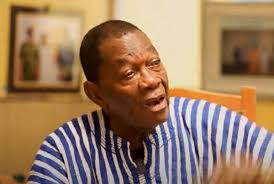
On the night preceding the takeover, the officer Captain Joel Sowu Rtd was at the military academy when unusual movements began.
Around 4 a.m., troops started mobilizing while singing war songs — a signal that something major was underway.
Soon, word spread:
A coup had begun.
Rather than waiting for formal orders, the young officer sprang into action.
He said, “I love action.” “While others were still discussing what was happening, I was already dressing up and heading out, and before they realized I was gone.”
Captain Joel Sowu (retired) slipped into his vehicle and drove toward the unfolding operation.
google.com, pub-3136672980956099, DIRECT, f08c47fec0942fa0Racing Into History
The first destination was Flagstaff House, then Ghana’s seat of government.
There, he noticed the gates had been blasted open using heavy weapons — clear evidence of the intensity of the confrontation between coup forces and the Presidential Guard.
Without hesitation, he redirected his attention to another strategic location: Broadcasting House.
Control of national radio was critical.
Whoever controlled the airwaves controlled the national narrative.
Securing Broadcasting House
Speaking to Channel One TV Footprint, he said when he arrived, soldiers were positioned outside but had not entered the facility.
To him, hesitation was dangerous.
He immediately ordered them forward.
“Are you here to capture the place or guard it?” he demanded.
Cocking his weapon to emphasize urgency, he reassured the troops that he supported the operation.
The soldiers quickly moved in and secured the building, ensuring that coup announcements could not be interrupted.
google.com, pub-3136672980956099, DIRECT, f08c47fec0942fa0Return to Flagstaff House
Gunfire was still echoing around Flagstaff House as elements of the Presidential Guard resisted.
Orders soon came for their commander to instruct his troops to surrender.
The retired officer, Captain Joel Sowu, volunteered to deliver the message.
Driving an armored vehicle directly to the opposing commander, he calmly relayed the instruction to lay down arms.
Moments later, an announcement was made calling on the guards to surrender peacefully.
They complied.
The resistance had effectively ended.
google.com, pub-3136672980956099, DIRECT, f08c47fec0942fa0Escorting the Defeated Forces
After the surrender, the officer escorted the commander and his troops to police headquarters.
By then, it was clear:
The coup had succeeded.
A national broadcast followed, declaring that the armed forces, working together with the police, had taken control of the government.
A Carefully Coordinated Operation
The retired Captain Joel Sowu emphasized that the takeover was not chaotic but strategically organized.
Key installations were targeted simultaneously, including:
- Government headquarters
- National radio
- Security strongholds
The collaboration between the military and police further ensured that resistance would be minimal and short-lived.
google.com, pub-3136672980956099, DIRECT, f08c47fec0942fa0A Defining Moment in Ghana’s History
The overthrow of Nkrumah reshaped Ghana’s political trajectory and ushered in the rule of the National Liberation Council.
Decades later, firsthand accounts like this continue to deepen public understanding of the motivations, fears, and rapid decisions that shaped that historic morning.
For the young officer who rushed toward the sound of gunfire, it was more than a military operation.
It was a moment that would permanently alter Ghana’s future.
Where Was Nkrumah When the Coup Happened?
When the military seized power in February 1966, Dr. Kwame Nkrumah was nowhere near Ghana.
The president was on a diplomatic mission to Hanoi, hoping to promote peace during the Vietnam conflict. It was during a formal engagement—reportedly at dinner—that he was discreetly informed his government had been overthrown.
He would never return to Ghana as president.
Instead, his sudden political exile would reshape both his life and Ghana’s future.
google.com, pub-3136672980956099, DIRECT, f08c47fec0942fa0Flight From Hanoi to Guinea
After learning of the coup, Dr. Kwame Nkrumah quickly departed Asia and eventually arrived in Guinea, where he received an extraordinary welcome from President Ahmed Sékou Touré.
In a remarkable gesture of solidarity, Touré declared Osagyefo Kwame Nkrumah co-president of Guinea—a move that stunned many observers.
Interestingly, Nkrumah reportedly did not immediately understand the announcement because it was delivered in French. Only afterward was the honor fully explained to him.
The decision reflected a long-standing alliance between the two nations, dating back to the Ghana-Guinea-Mali Union and Ghana’s 10 million pound financial support to Guinea following its independence.
A Coup Many Celebrated
Back in Ghana, the overthrow triggered massive public reaction.
Crowds reportedly flooded the streets and rushed to prisons, demanding the release of political detainees.
To many citizens at the time, the moment felt like a “second independence.”
The military government that followed—the National Liberation Council—quickly consolidated power.
Yet the story did not end there.
Nkrumah’s Warning From Exile
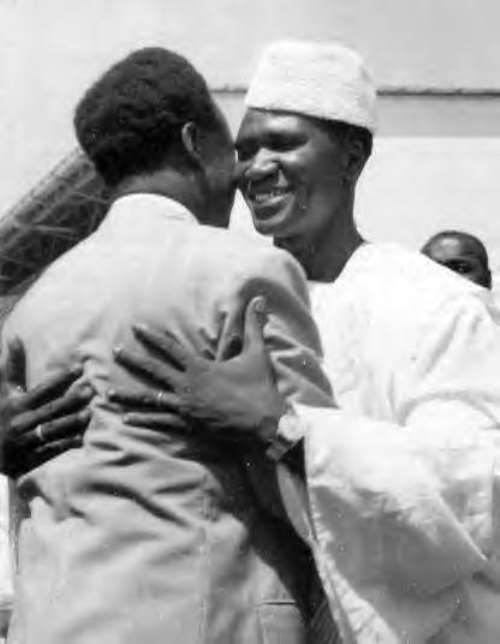
From Guinea, Dr. Kwame Nkrumah began broadcasting messages into Ghana.
Some were interpreted as warnings.
According to accounts from the period, he suggested he could return with military backing—possibly even alongside Guinean forces.
Whether this was strategic rhetoric or a genuine plan remains debated by historians, but the statements heightened tensions within Ghana’s new leadership.
Those fears would soon appear justified.
The 1967 Attempted Counter-Coup
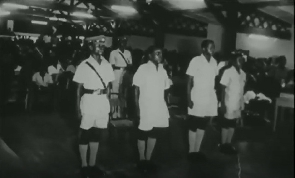
Barely a year after the overthrow, another crisis emerged.
On April 17, 1967, a group of junior officers launched an attempted coup aimed at toppling the ruling military government led by Joseph Arthur Ankrah.
Among the figures linked to the plot were Lieutenant Samuel Arthur and Second Lieutenant Yeboah, officers stationed with a reconnaissance unit in Ho.
Their forces reportedly marched toward Accra, hoping to seize control.
But the attempt ultimately failed.
Why Ankrah Became Head of State
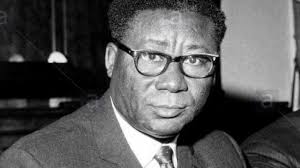
Interestingly, Ankrah had not played a direct role in the 1966 coup.
After the overthrow of Dr. Kwame Nkrumah, military leaders needed someone widely respected—both within the armed forces and among civilians—to stabilize the country.
Ankrah fit that profile.
He was popular, relatable, and seen as capable of commanding national confidence during uncertain times.
By contrast, coup leader Emmanuel Kwasi Kotoka was viewed as highly disciplined and respected but less socially connected.
Selecting Ankrah helped unify the military hierarchy.
google.com, pub-3136672980956099, DIRECT, f08c47fec0942fa0Deep Divisions Inside the Military
Tensions within the armed forces had been brewing even before the coup.
There were allegations that Nkrumah sometimes played senior commanders against each other—inviting one officer for consultation while summoning another separately, creating suspicion and rivalry.
Eventually, both the Chief of Defence Staff and his deputy were dismissed, deepening fractures within the command structure.
These divisions contributed to the unstable climate that made repeated coup attempts possible.
A Nation on Edge
By 1967, Ghana remained politically fragile.
Rumors of invasion, competing loyalties within the military, and unresolved ideological battles kept the country in a state of alert.
The failed counter-coup served as a stark reminder:
Even after a successful overthrow, true stability can remain elusive.
google.com, pub-3136672980956099, DIRECT, f08c47fec0942fa0Historical Legacy
The exile of Kwame Nkrumah and the attempted overthrow that followed illustrate how volatile Ghana’s early post-independence years were.
These events shaped:
- Civil-military relations
- Leadership transitions
- Ghana’s democratic evolution
- West African political alliances
Today, they remain critical chapters in understanding the nation’s political journey.