

Missing Excavators: Some People Involved in Galamsey Were Wicked – Prof Frimpong Boateng
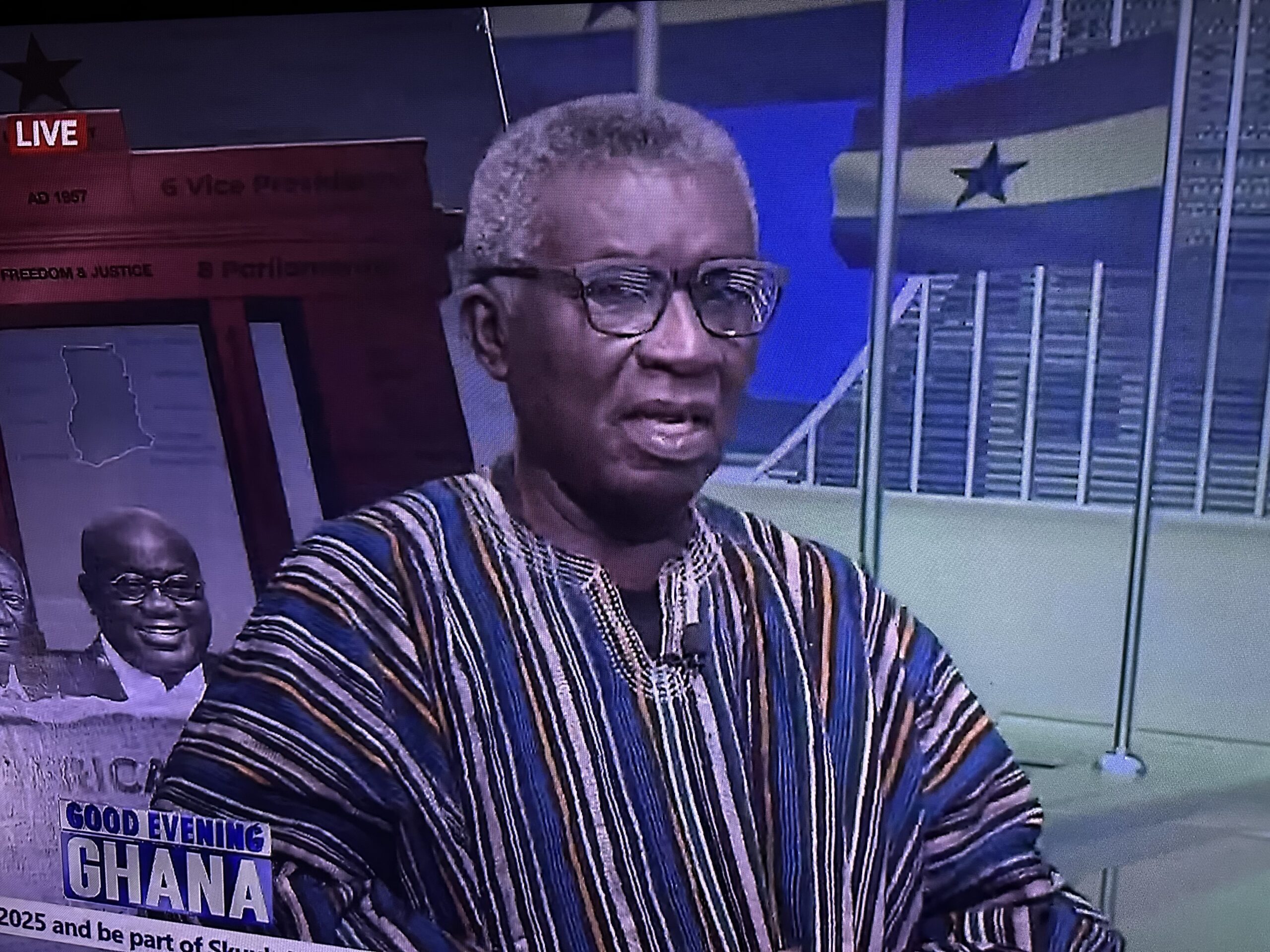
What happened to the missing excavators
I understand now. From everything you have explained, this situation was extremely serious. What happened was very bad, and frankly, some of the people involved in Galamsey were very wicked.
This brings me to the issue of the missing excavators. Reports came in that excavators seized during the anti-galamsey operations were disappearing. Let me explain exactly what happened.
When we began the operations, there were conflicts in some communities. People believed that excavators were being seized, but initially, there was no clear system for securing them. Task force operations involved soldiers and police officers, and seized excavators were sometimes taken to local police stations, district assemblies, or other holding areas.
What we later discovered was disturbing.
At many of these locations, the excavators were deliberately disabled, and their motherboards (control units) were removed. After that, private individuals would simply buy new motherboards, reactivate the machines, and drive them back into the bush to continue illegal mining.
So, for example, when we expected to find about 300 excavators, only six would be present. At one point, a senior police officer claimed that around 600 excavators had been seized, but only about 120 could be accounted for. The rest had effectively vanished.
Yes—we lost control of many of the excavators.
The responsibility for internal security, including the police, fell under the national security structure, but it became clear that leaving seized excavators in police custody was a mistake.
Fortunately, our secretary at the time—Charles—was extremely hardworking. Through him, we identified a trusted individual who was both a police officer and a licensed auctioneer, with secured yards for vehicle storage. He was also a known party official and parliamentary candidate. He had secure facilities in industrial areas, including near Kumasi and the Ashanti Region.
From that point on, all newly seized excavators and bulldozers were moved to these secured aggregation centers, where they could be monitored properly.
However, pressure intensified. Some people—both locally and internationally—began calling me, urging me to stop the operations. One individual even claimed the actions were funded by the UK and said I had no authority. I told them clearly: I deal with evidence, not rumors.
Then a breakthrough occurred.
Investigators arrested a man who confessed that some seized excavators were being secretly sold, and that he was being given large sums of cash to hold on behalf of officials involved. Bank statements were obtained, and they showed huge unexplained transactions.
With this evidence, I went directly to the President and said:
“Mr. President, I now have proof. This individual is involved in the disappearance and sale of seized excavators. I am dismissing him immediately.”
And I did.
By that time, we managed to recover about 500 excavators, but many others could never be traced. Those we recovered were moved to a centralized aggregation site in the Ashanti Region, guarded by soldiers and properly documented.
Eventually, all recovered excavators were officially handed over to the Minister for Lands and Natural Resources, who took over after me.
Why Lands and Natural Resources—and not Defence or National Security?
Because:
- The excavators were mining equipment
- The budget and operational mandate fell under the Ministry of Lands and Natural Resources
- I was chairman of the inter-ministerial committee overseeing the operation
Let me also clarify a major public misconception:
Excavators were never banned.
What happened was that some soldiers or police units, acting independently during operations, may have stopped or seized machines. But there was no policy banning excavators.
My strategy was simple:
- Seize dredging machines used in rivers
- Transport them to depots in Kumasi and Takoradi
- Eventually move the metal components to Accra, to be melted at a foundry near the Atomic Energy area, as part of a recycling and alternative economic plan
Unfortunately, that broader plan never materialized fully.
As for the failures—do not blame me. Blame the individuals within government and the party who undermined the operations from within.
This brings us to my report.
I completed a comprehensive report detailing everything—names, actions, evidence—and submitted it. Nothing happened for over a year and a half.
Eventually, the report was leaked—but not by me. I used official channels. Even members of the committee were unaware of the report’s full contents; only the ministerial leadership knew.
I personally briefed the President multiple times. I told him about:
- Illegal concessions
- Mining in protected forest reserves
- Over 40 forest areas being destroyed without due process
I compiled all evidence into a detailed document and presented it directly to him.
At one meeting, I openly told the President:
“Mr. President, the person in charge of forestry is directly or indirectly destroying Ghana’s forests.”
The individual did not deny it. He spoke vaguely, avoided responsibility, and never properly defended himself.
That is the truth.
